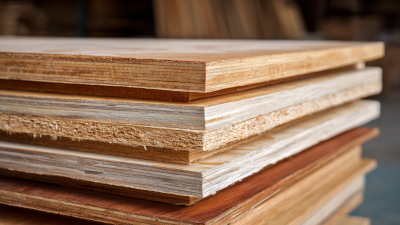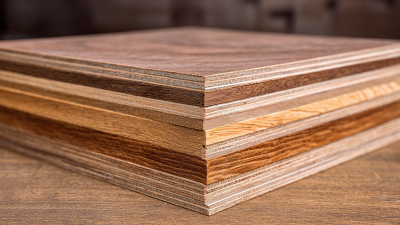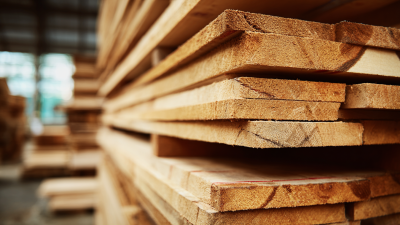
Plywood delivery is the coordinated movement of panels from a mill, distributor, or retailer to a jobsite, workshop, or warehouse. It involves more than placing an online order. Staff must confirm the plywood grade, thickness, sheet dimensions, quantity, packaging, route, and unloading conditions. A small mistake can send 4-by-8-foot sheets to the wrong address or leave them exposed to rain.
The USDA Forest Products Laboratory’s Wood Handbook explains that wood products respond to moisture changes, which can influence dimensions and performance. APA’s Engineered Wood Association market reports also track structural-panel production, grades, and demand across North America. These sources show why plywood delivery requires product knowledge, not only transport capacity. The U.S. Census Bureau’s Commodity Flow Survey further demonstrates the importance of trucking in domestic freight movement. Trucks often handle the final, most visible stage.
As logistics scholar Dr. Chris Caplice has stated, “Supply chains are networks, not chains.” That idea fits plywood delivery closely. A supplier, carrier, site manager, and customer must share accurate information. The driver may need a liftgate, a pallet jack, or clear access beside the building. Timing matters, too. Wet ground can prevent unloading. Tight streets can delay a full truck.
The process sounds simple. It is not always predictable. Even a carefully planned shipment may face damage, traffic, or incomplete instructions. This guide explains each stage, from order confirmation to inspection, while considering practical risks that delivery brochures sometimes overlook.
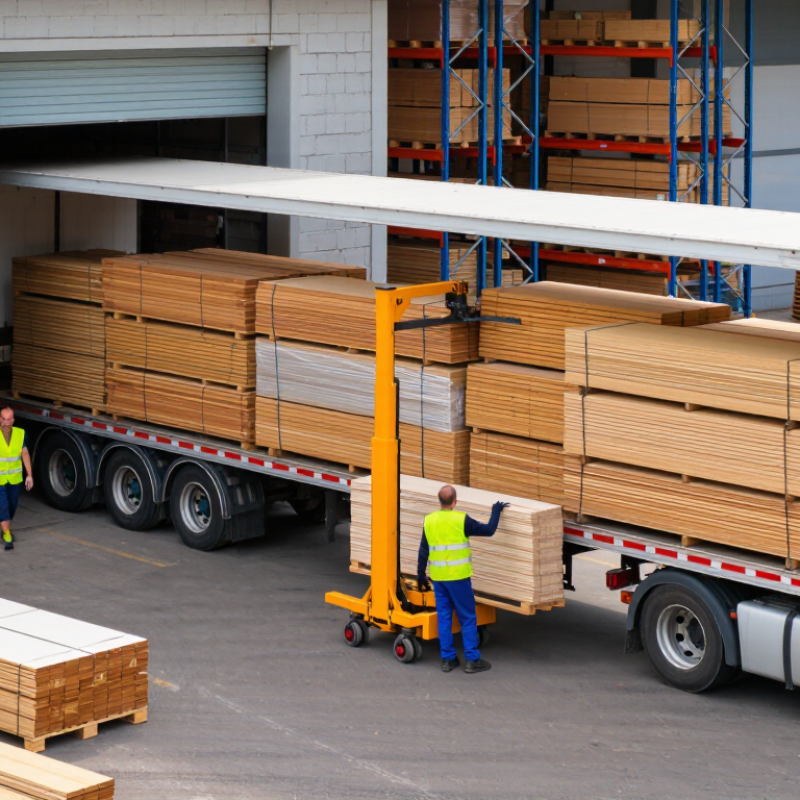
Plywood delivery covers more than moving sheets from a mill to a job site. It includes order confirmation, grade verification, cutting details, packaging, loading, transport, unloading, and delivery records.
The FAO Forestry Production and Trade database records plywood as a distinct panel product, with recent global output exceeding 150 million cubic metres annually. That scale creates complex supply chains. A shipment may travel by truck, rail, or vessel before reaching a workshop. UNCTAD’s Review of Maritime Transport 2023 reports that more than 80% of global merchandise trade by volume moves by sea.
In practice, reliable delivery begins with accurate specifications. Buyers should confirm sheet thickness, dimensions, core construction, moisture resistance, quantity, and acceptable defects. Protective wrapping matters. So do edge guards and stable pallets. A forklift can damage exposed corners within seconds.
Delivery timing also depends on port congestion, weather, customs processing, and local unloading access. A load may arrive on time but still be unusable if it is wet or warped. That weakness deserves more attention.
Tips: Measure the unloading area before dispatch. Check pallet weight against equipment capacity. Photograph packaging damage immediately. Keep the delivery note, batch details, and inspection results together. These simple records support claims and improve future orders. Still, no checklist removes every risk. Plywood can react differently after storage, especially in humid conditions.

Plywood delivery begins long before a truck reaches the site. The panels must be inspected, sorted, protected, and documented. FAO’s Global Forest Products Facts and Figures 2023 reports nearly 400 million cubic metres of wood-based panels produced worldwide in 2022. That volume makes consistent preparation essential.
Dry plywood is stacked on level pallets, with thicker sheets supporting thinner ones. Workers check thickness, grade, edge damage, and moisture content. A moisture meter helps, although readings can vary across a single bundle. That detail is easy to overlook. Plastic wrapping then limits rain exposure, while corner protectors reduce strap marks and crushed edges. Desiccant may be added for long sea journeys, but it cannot fix wet timber packed too late.
Bundles are secured with straps, labels, and shipping documents showing dimensions, quantity, weight, and handling instructions. For export shipments, wood packaging must follow ISPM 15 treatment and marking rules. UNCTAD’s Review of Maritime Transport 2024 states that over 80% of global merchandise trade moves by sea, so container preparation matters. Inside the container, bundles need blocking and bracing to prevent sliding during acceleration, braking, or rough waves. Airflow should remain possible around the load. Too much empty space creates movement; too little can crush edges. A final photo record supports traceability, though photographs do not replace a physical inspection. Mistakes still happen. A careful recheck before sealing is often cheaper than replacing damaged sheets.
Shipment planning depends on panel thickness and total surface area. The values below estimate plywood mass per square meter using a representative plywood density of 550 kg/m³. Actual mass varies by wood species, moisture content, and construction.
What Is Plywood Delivery and How Does It Work?
The Step-by-Step Plywood Delivery Process
Plywood delivery starts with order verification. The supplier confirms sheet thickness, grade, dimensions, quantity, and destination. This matters because a small specification error can disrupt an entire construction schedule. The FAO reported global wood-based panel production of about 393 million cubic meters in 2022, showing the scale of this supply chain.
Warehouse staff then inspect panels for visible damage, moisture exposure, and accurate labeling. They stack sheets on level supports and protect edges with durable wrapping. Heavier panels usually require mechanical lifting equipment. A clear packing list should match the physical load before dispatch.
The carrier checks vehicle capacity, delivery access, and route restrictions. Panels are secured to limit shifting during braking or sharp turns. Not glamorous, but essential. At the site, the receiver checks the count, packaging, panel markings, and corner condition before signing. Photographs can strengthen the delivery record.
The process is rarely perfect. Traffic, rain, or poor unloading space can create delays. The UNECE/FAO Forest Products Annual Market Review identifies transport and inventory conditions as important factors in forest-product markets. A practical improvement is simple: confirm unloading equipment and arrival instructions one day earlier. Even experienced teams sometimes overlook this step.
| Step | Process Stage | What Happens | Typical Information or Requirement | Common Time Range | Delivery Checkpoint |
|---|---|---|---|---|---|
| 1 | Define the Order | The buyer specifies the plywood type, thickness, panel size, grade, quantity, intended use, and delivery location. | Common panel size: 1,220 × 2,440 mm. Thicknesses commonly range from about 3 mm to 25 mm, depending on the product. | Same day to 2 business days | Order details confirmed |
| 2 | Check Stock and Availability | The supplier checks available inventory, product specifications, quantity, packaging requirements, and any special treatment or certification needs. | Availability may vary by plywood construction, veneer species, grade, thickness, and panel dimensions. | 1–3 business days | Stock or production date verified |
| 3 | Prepare the Order | Panels are counted, inspected for visible damage, stacked, and protected with suitable packaging before loading. | Panels are usually placed on a level pallet or support base. Edge protection and stretch wrapping help reduce movement and moisture exposure. | 1–3 business days | Quantity and condition checked |
| 4 | Calculate Shipment Weight and Space | The shipment is measured to select an appropriate vehicle and to estimate freight charges and handling requirements. | Approximate weight depends on thickness, panel size, wood species, moisture content, and panel construction. A standard 1,220 × 2,440 mm panel may weigh roughly 10–45 kg across common thicknesses. | Same day to 1 business day | Load plan completed |
| 5 | Select the Delivery Method | The shipment is assigned to a suitable transport method based on distance, order size, access conditions, and required delivery speed. | Possible methods include parcel or small freight service for limited quantities, a flatbed or box truck for palletized orders, and container transport for larger or international shipments. | 1–2 business days | Transport arranged |
| 6 | Prepare Shipping Documents | Required documents are issued and shipment details are shared with the carrier and recipient. | Typical documents include an invoice, packing list, delivery address, contact details, pallet count, shipment weight, and any applicable transport or customs documents. | Same day to 2 business days | Documents released |
| 7 | Load and Secure the Cargo | The packaged plywood is loaded onto the vehicle and secured to prevent sliding, tipping, bending, or impact damage during transit. | Loads should be evenly supported and restrained. Forklift access, loading-dock availability, and maximum vehicle capacity must be considered. | 2–8 hours | Cargo secured for transit |
| 8 | Transport the Shipment | The carrier moves the plywood to the destination while tracking the shipment when tracking service is available. | Road delivery commonly takes about 1–7 business days, depending on distance, border procedures, weather, routing, and shipment size. | 1–7 business days | Shipment in transit |
| 9 | Coordinate the Delivery Appointment | The carrier confirms the expected arrival window and checks whether the site can receive the vehicle and unload the material. | The recipient should provide clear access instructions, a suitable unloading area, on-site contact information, and equipment if curbside unloading is not included. | 1–2 business days before arrival | Delivery time confirmed |
| 10 | Unload and Inspect | The recipient checks the packaging, panel count, dimensions, labels, and visible condition before signing the delivery record. | Photograph damaged packaging or panels and record shortages or visible damage on the delivery receipt whenever possible. | 30 minutes to 2 hours | Goods received and inspected |
| 11 | Store the Plywood Correctly | The plywood is moved to a dry, ventilated, and protected storage area to help prevent warping, swelling, staining, and edge damage. | Store panels flat on evenly spaced supports, keep them away from standing water, and protect them from direct weather exposure while allowing adequate ventilation. | Immediately after delivery | Material stored safely |
| 12 | Close the Delivery Record | The buyer and supplier reconcile the delivered quantity, condition, paperwork, and any claims or adjustments. | Keep the invoice, packing list, delivery receipt, inspection photographs, and claim correspondence for the project record. | 1–5 business days | Delivery completed |
Typical time ranges are general planning estimates. Actual delivery time, freight cost, vehicle type, and unloading arrangements depend on order quantity, product availability, route distance, site access, weather, and applicable transport requirements.
Plywood delivery moves sheets from a warehouse to a building site, workshop, or customer address. The process includes order checking, packing, loading, transport, and careful unloading. Sheet size matters immediately. Large panels need stable pallets, edge protection, and enough vehicle space. Loose stacking can cause bowed corners or damaged surfaces.
Moisture is a major transport factor. Plywood should stay covered, but airflow still matters during storage. A plastic cover placed directly on damp sheets may trap condensation. Weather can also change delivery plans, especially during heavy rain or freezing conditions. Experienced crews inspect the road, loading area, and unloading equipment before dispatch. A narrow entrance or soft ground can add delays and handling costs. Small details matter.
Weight affects vehicle selection and safe handling. A pallet of thick panels may need a forklift, while a smaller order may be moved by hand. The delivery team should confirm quantities, thicknesses, and surface grades before loading. Photographs of packed edges can support accurate condition checks. I have seen delivery problems begin with one unchecked measurement. It looked minor. It was not. Clear instructions about delivery times, access gates, and contact persons reduce confusion. Tracking helps, but it cannot replace a careful inspection when the sheets arrive. 马会
Receiving plywood requires more than counting sheets against the delivery note. Prepare a dry unloading area before the truck arrives. Check the packaging for torn wrapping, crushed corners, stains, or exposed edges. Photograph visible damage immediately, including the pallet and delivery label. Then count each bundle carefully. A rushed count can create an expensive dispute later.
Photograph visible damage immediately, including the pallet and delivery label.
Inspect several sheets from every bundle, not only the top sheet. Look for delamination, open veneers, warping, uneven thickness, and surface damage. Compare the delivered size, grade, and thickness with your purchase documents. A moisture meter can reveal problems that feel invisible by hand.
I once accepted a bundle that looked clean outside, but lower sheets had absorbed water. That mistake changed my inspection routine. It also showed me that a perfect-looking wrap proves very little.
Tips:
Store plywood flat on level supports, at least several inches above the floor. Keep supports aligned to prevent sagging. Leave air space around the stack, but avoid direct rain and strong sunlight. Do not lean sheets against a wall for long periods. Cover the stack with a breathable sheet, not airtight plastic. Let the panels adjust to the room before cutting, especially in humid conditions. Record bundle numbers, measurements, photos, and any rejected pieces. Small records help professionals trace recurring delivery problems. Inspect again after storage begins. Things can change.

Signup our newsletter to get update information, promotion or insight.