What is Walnut Plywood and Why is it the Best Choice for Your Projects
Walnut plywood has gained significant popularity in the world of woodworking and design due to its unique combination of beauty, durability, and versatility. This engineered wood product features a core layer of plywood, which is then veneered with walnut wood, creating a stunning surface that showcases the rich, warm tones and intricate grain patterns characteristic of walnut. As designers and craftsmen continually seek materials that not only enhance the aesthetic appeal of their projects but also provide strength and stability, walnut plywood emerges as an exceptional choice for a wide range of applications.
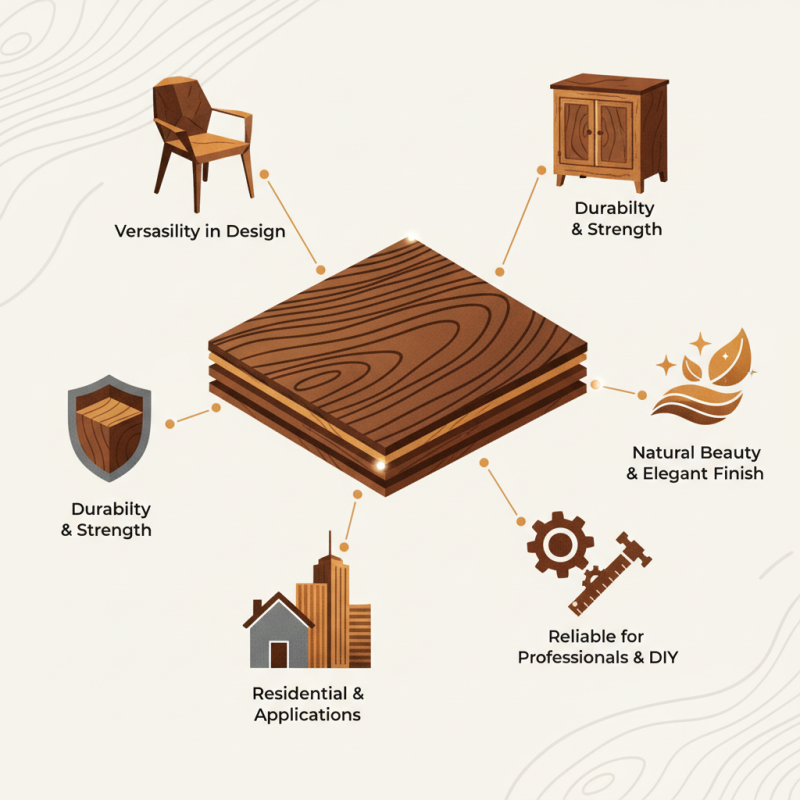
One of the key advantages of walnut plywood is its adaptability across various styles and settings, from contemporary furniture to rustic cabinetry. Its natural beauty and elegant finish make it suitable for both commercial and residential projects, elevating the overall look and feel of any space. Additionally, walnut plywood is known for its robust structural integrity, making it a reliable choice for furniture, fixtures, and architectural elements that require longevity and performance. As we delve deeper into the characteristics and benefits of walnut plywood, it becomes clear why this material stands out as the preferred option for woodworking professionals and DIY enthusiasts alike.
What is Walnut Plywood and Its Unique Characteristics
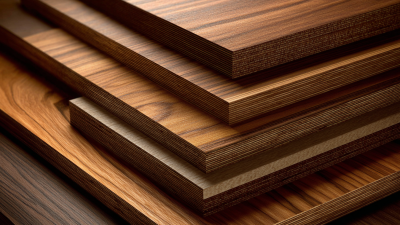
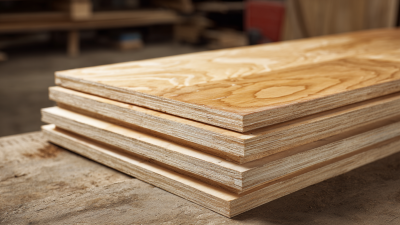
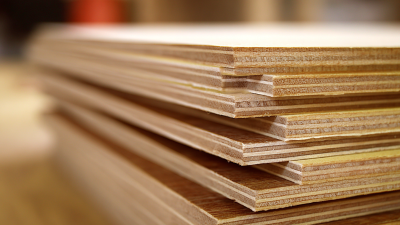
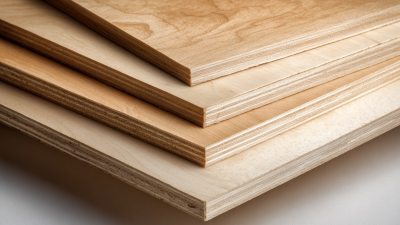
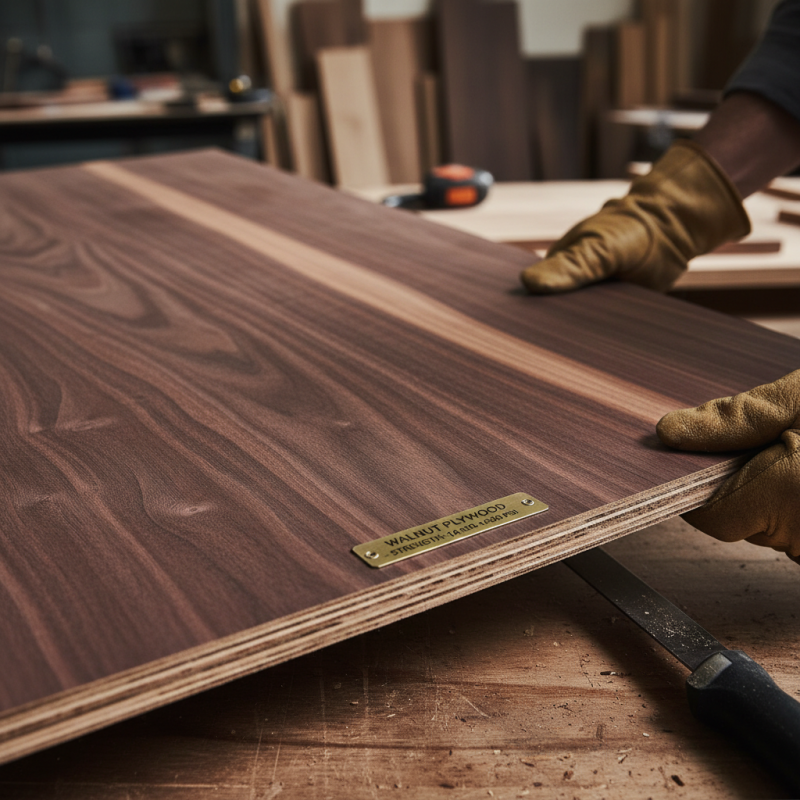
Walnut plywood is a composite wood product made by gluing together multiple layers of thin walnut veneer, which is then pressed into sheets. This type of plywood is known for its striking visual appeal, featuring the rich, dark brown tones and intricate grain patterns of walnut wood. The unique characteristics of walnut plywood extend beyond its aesthetic qualities; it is renowned for its durability and stability. The cross-layered construction not only minimizes the risk of warping but also enhances its strength, making it an ideal choice for furniture, cabinetry, and decorative applications.
In addition to its physical properties, walnut plywood offers excellent workability. It can be easily cut, shaped, and sanded, allowing for a wide range of design possibilities. The natural luster of walnut enhances its finish, whether stained or left natural, providing a sophisticated touch to any project. Moreover, walnut plywood is sourced from sustainable forests, making it an environmentally friendly option. The combination of beauty, strength, and sustainable sourcing makes walnut plywood an exceptional choice for those seeking both functionality and elegance in their wood projects.
Comparative Strength and Durability of Walnut Plywood
Walnut plywood is renowned for its exceptional strength and durability, making it an ideal choice for a variety of woodworking projects. According to the "Wood Handbook: Wood as an Engineering Material" published by the U.S. Forest Products Laboratory, walnut plywood exhibits a high modulus of elasticity and tensile strength, ranging from 12,000 to 16,000 psi. This characteristic allows walnut plywood to withstand significant loads and stresses without compromising its structural integrity.
Moreover, walnut plywood is highly resistant to warping and splitting, which adds to its longevity. A study from the National Wood Flooring Association notes that walnut has a Janka hardness rating of approximately 1,010 lbf, marking it as a robust material that can endure heavy use while maintaining its aesthetic appeal. The durability of walnut plywood is further enhanced by its fine grain and resistance to moisture, making it suitable for both indoor and outdoor applications. This combination of strength and durability makes walnut plywood a superior choice for furniture-making, cabinetry, and intricate woodwork, appealing to both professional craftsmen and DIY enthusiasts alike.
Applications of Walnut Plywood in Furniture and Interior Design
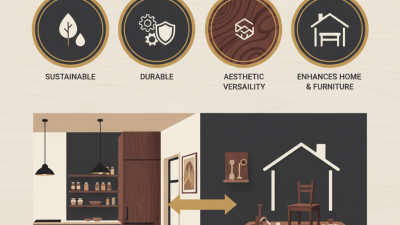
Walnut plywood is renowned for its beauty, durability, and versatility, making it an ideal choice for furniture and interior design projects. Its rich, warm tones and unique grain patterns are not only visually appealing but also add a touch of sophistication to various applications. Whether used in cabinetry, flooring, or accent walls, walnut plywood can transform a space, giving it both elegance and a sense of character.
In terms of practicality, walnut plywood's strength and stability make it suitable for high-quality furniture production. It holds up well to wear and tear, ensuring that pieces remain functional without sacrificing style. Additionally, its lightweight nature allows for easier handling and installation, making it a favorite among furniture designers and homeowners alike.
**Tips:** When selecting walnut plywood for your projects, consider the thickness and grade that best suit your needs. For furniture that requires higher durability, opt for thicker sheets that provide added strength. Always test finishes on a small sample to achieve the desired look, as walnut offers various shades that can change significantly with different treatments. Finally, maintain the natural beauty of walnut plywood by using appropriate cleaning products and avoiding excessive moisture.
What is Walnut Plywood and Why is it the Best Choice for Your Projects
| Application |
Benefits |
Typical Uses |
| Furniture Design |
Durable and long-lasting |
Tables, Chairs, Cabinets |
| Interior Wall Paneling |
Natural aesthetic appeal |
Feature walls, Accent panels |
| Cabinetry |
Resistant to warping and cracking |
Kitchen cabinets, Storage units |
| Doors |
Excellent sound insulation |
Interior and exterior doors |
| Decorative Elements |
Versatile design options |
Mouldings, Wall art |
Cost Comparison: Walnut Plywood vs. Other Wood Plywoods
When considering the construction of your next project, understanding the
cost differences between
walnut plywood and other types of wood plywood is crucial.
Walnut plywood is often viewed as a premium option, its rich color and fine grain adding elegance
to any application. However, this distinction comes at a price. On average,
walnut plywood tends to be more expensive than alternatives such as birch or pine plywood.
This cost is reflective of walnut's unique aesthetic qualities and durability, making it a favored choice among
artisans and designers who value both aesthetics and functionality.
On the other hand, while other wood plywoods may be more budget-friendly, they often lack the
distinctiveness and strength of walnut plywood.
For example, cheaper plywood options may not perform as well in terms of longevity and resistance to
warping, especially in humid conditions. While initial savings may seem attractive, the long-term costs
associated with repairs or replacements can outweigh these benefits. Therefore, when evaluating the
cost-effectiveness of walnut plywood versus its counterparts,
it’s essential to consider not only the upfront price but also the overall value it brings to your projects
over time.
Environmental Impact and Sustainability of Walnut Plywood Production
Walnut plywood is increasingly recognized not only for its aesthetic appeal and durability but also for its sustainable production practices. The environmental impact of walnut plywood production is relatively low compared to other materials. Walnut trees, when harvested responsibly, can be managed through sustainable forestry practices that prioritize conservation and biodiversity. This approach ensures that future generations will have access to these valuable resources while maintaining the integrity of the forest ecosystems.
Moreover, walnut plywood production often utilizes the entire tree, minimizing waste and maximizing the use of available materials. By focusing on responsible sourcing and efficient manufacturing processes, walnut plywood contributes to reducing the carbon footprint associated with lumber production. Additionally, many producers are committed to adhering to standards that emphasize environmental stewardship, ensuring that their practices not only comply with regulations but also serve to enhance the overall health of the environment. This proactive approach to sustainability makes walnut plywood an excellent choice for environmentally conscious consumers seeking quality materials for their projects.