Top 10 Tips for Choosing the Best Furniture Plywood?
When it comes to choosing the right furniture plywood, industry expert James Leary emphasizes, "Quality plywood makes all the difference in your furniture's longevity." This statement resonates deeply in the furniture industry. Selecting the right plywood is crucial for durability and aesthetic appeal.
Furniture plywood is not just about looks; it affects structural integrity, weight, and how the piece holds up over time. Many consumers overlook the differences in plywood grades. Understanding its composition is vital. Higher quality plywood uses more layers and better adhesives, which can increase its lifespan significantly.
In reality, many buyers feel overwhelmed by the choices available. Some may downplay the importance of plywood quality. This can lead to unsatisfactory results. Each piece of furniture deserves careful consideration. Selecting the right furniture plywood may seem daunting, but informed choices will enhance both function and beauty in your home.
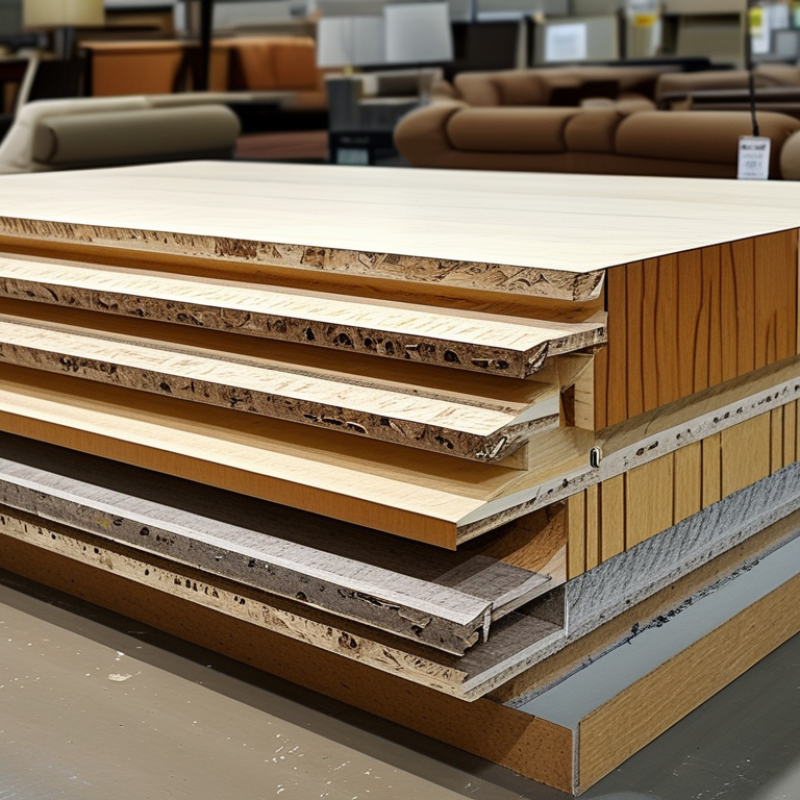
Understanding the Different Grades of Plywood Used in Furniture Making
When selecting plywood for furniture making, understanding the different grades is crucial. Plywood grades range from A to D, reflecting their quality and surface finish. Grade A offers a smooth finish and minimal imperfections. It's ideal for high-end furniture. In contrast, Grade D has more visible defects, such as knots and patches, suitable for structural components where aesthetics are less important. A report by the Forest Products Laboratory indicates that furniture made from higher-grade plywood lasts longer and withstands wear better.
It’s essential to evaluate your specific needs before making a choice. Consider the intended use of the furniture. For example, tables that require strength may benefit from higher-grade plywood. Alternatively, something decorative may work well with lower grades. An industry survey found that consumers often overlook plywood quality, leading to premature wear.
Choosing the correct thickness is also vital. Thicker plywood, generally ¾ inch, offers better durability. Thin plywood is lighter but can warp easily. Manufacturers emphasize the importance of selecting the right grade for your project, as this decision significantly impacts the quality and lifespan of your furniture. Understanding these elements before making your purchase ensures a wise investment in your furniture.
Evaluating the Strength and Durability Metrics of Furniture Plywood
When selecting furniture plywood, strength and durability metrics are crucial. Plywood, made from thin wood layers, offers versatility while balancing weight and stability. Always assess the plywood's thickness; thicker panels usually provide more strength. Look for a higher number of layers in the plywood, as this contributes to better durability.
Consider the grade of plywood. Higher-grade plywood has fewer defects. Inspect the surface for blemishes or imperfections, which can indicate lower quality. A well-manufactured plywood will resist warping and splitting over time. Seek products that mention resistance to moisture and pests, further ensuring longevity. For construction projects, this is non-negotiable.
Understand that not all plywood is treated equally. Some may seem appealing but lack the necessary strength. Rely on trusted sources for your purchasing decisions. Confirm that the plywood complies with industry specifications. Long-term value comes from durability, so careful consideration today can save you from future replacements.
The Importance of Formaldehyde Emission Standards in Plywood Selection
When selecting plywood, formaldehyde emission standards play a crucial role. Plywood is widely used in furniture, yet many consumers overlook the importance of emission levels. High levels of formaldehyde can lead to poor indoor air quality. This is particularly concerning for families with young children or individuals with respiratory issues.
Understanding emission standards can help you make more informed choices. Look for products certified as low-emission or even no added formaldehyde. These certifications ensure that the materials used minimize health risks. It is vital to ask suppliers for test results, even if they seem inconvenient. Not all plywood is created equal; some may appear similar but have vastly different chemical compositions.
Moreover, consider the source of the wood. Sustainable forestry practices often align with better production standards. Awareness of the environment should shape your decisions. Even aesthetic preferences can lead to unintentional purchases of harmful materials. It might be tempting to prioritize style and cost over safety. This is where careful reflection is necessary. Think long-term regarding health and comfort in your home environment.
Comparing Cost-Effectiveness of Various Plywood Types for Furniture Projects
When selecting plywood for furniture projects, cost-effectiveness often takes priority. Different types of plywood offer varying price points and durability. For instance, A-grade plywood is smooth and visually appealing but comes at a premium. Conversely, lower-grade options may save you money but could compromise quality for aesthetic purposes. It's crucial to assess how you'll use the furniture. Will it face heavy wear and tear, or will it be primarily decorative?
Thickness also impacts cost-effectiveness. Thicker plywood tends to be more expensive, but it provides greater strength and longevity. This is worth considering for items like cabinets, which benefit from durability. On the other hand, projects requiring lighter materials may find a more affordable option suitable and adequate.
Researching the environmental impact of different plywood types is essential. Some sources provide limited sustainability, while others are more eco-friendly. As a responsible consumer, it's worth examining certifications. This can guide you toward products that align with both your budget and your values. Remember, not every 'cheap' option will serve your long-term needs. Balancing initial cost with future performance is vital.
Analyzing Aesthetic Finishes and Their Impact on Furniture Plywood Choices
When choosing furniture plywood, aesthetic finishes play a critical role. A study from the American Plywood Association indicates that nearly 70% of consumers prioritize appearance over durability. This trend shows how significant visual appeal is in influencing purchasing decisions. For instance, a smooth, polished surface can transform an ordinary piece of furniture into a striking centerpiece, enhancing the overall ambiance of a room.
Different finishes can also affect the perception of quality. A matte finish often conveys a modern aesthetic, while a glossy surface may suggest elegance. Rough or distressed finishes can evoke a rustic charm. These choices depend heavily on individual preferences, lifestyle, and the intended use of the furniture. However, selecting the right aesthetic finish isn't always straightforward. Some finishes can wear down quickly, leading to a less appealing look over time.
Sustainability is another factor to consider in aesthetic choices. A report by the Sustainable Furnishings Council highlighted that more than 60% of consumers prefer environmentally friendly materials. Unfortunately, not all suppliers provide transparent information about their finishes and sourcing. This gap in communication leads to challenges, as consumers might find it hard to make informed decisions. Understanding the impact of finishes on both aesthetics and sustainability adds complexity to furniture plywood selection.
Top 10 Tips for Choosing the Best Furniture Plywood
| Tip No. |
Tip Description |
Aesthetic Finishes |
Impact on Choices |
| 1 |
Consider the Grain Pattern |
Natural Wood Grain |
Enhances visual appeal |
| 2 |
Evaluate Thickness and Durability |
Laminated Finish |
Long-lasting and sturdy |
| 3 |
Check for Water Resistance |
Glossy Finish |
Protects against moisture |
| 4 |
Consider Color Matching |
Stained Finish |
Ensures seamless design |
| 5 |
Assess Environmental Impact |
Eco-friendly Options |
Sustainable choices |
| 6 |
Select the Right Finish |
Matte Finish |
Provides a modern look |
| 7 |
Test for Flexibility |
Flexible Plywood |
Allows for innovative designs |
| 8 |
Prioritize Fire Resistance |
Fire-retardant Coating |
Enhances safety |
| 9 |
Analyze Cost versus Value |
Cost-effective Options |
Ensures affordability |
| 10 |
Consult with Experts |
Professional Finishing |
Leads to better choices |