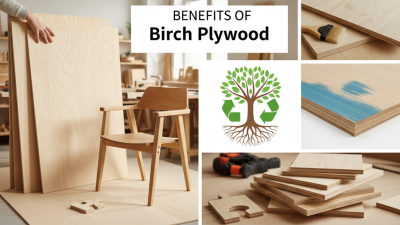
Top 5 Cabinet Plywood Options for Your Home Renovation Needs
When embarking on a home renovation project, selecting the right materials is crucial, especially when it comes to cabinetry. Cabinet plywood has become a popular choice among homeowners and contractors alike due to its durability, aesthetic appeal, and cost-effectiveness. According to the Wood Products Council, the demand for engineered wood products, including cabinet plywood, has grown significantly over the past decade, with the market projected to reach $87 billion by 2025. This growth is largely attributed to the increasing trend of sustainable building practices and the versatility that cabinet plywood offers for various design styles.
Moreover, recent studies indicate that cabinet plywood is preferred over solid wood for its resistance to warping and splitting, making it an ideal material for kitchen and bathroom cabinets. The composite structure of cabinet plywood not only enhances its strength but also provides a smoother finish, allowing for better paint adhesion and overall aesthetics. As homeowners strive for both functionality and style in their renovations, understanding the top options available in cabinet plywood can greatly influence the outcome of their projects. In this article, we will delve into the top five cabinet plywood options that cater to diverse renovation needs, ensuring that readers make informed decisions for their homes.
Choosing the Right Cabinet Plywood: Key Attributes to Consider
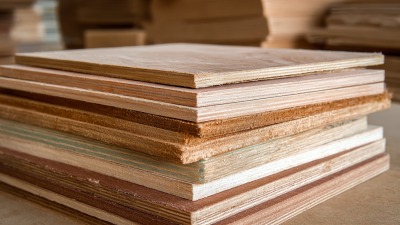
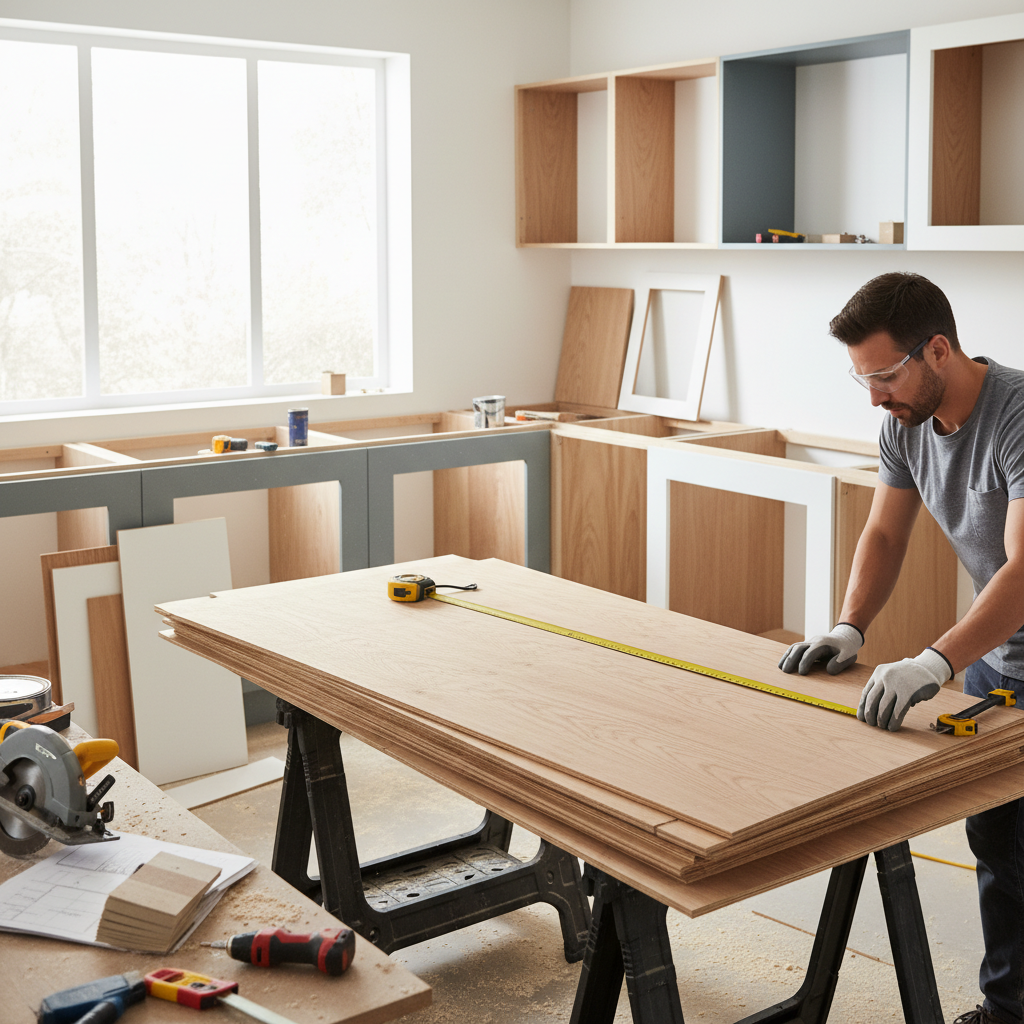
When selecting cabinet plywood for home renovations, it's vital to consider several key attributes that impact both aesthetics and functionality. First and foremost, the quality of the plywood is essential. According to the Architectural Woodworking Association, cabinet-grade plywood should ideally feature a multi-ply construction, with at least five layers to ensure stability and resistance to warping. Higher-quality plywoods, such as those made from birch or maple, not only provide superior structural integrity but also enhance the overall visual appeal of cabinets.
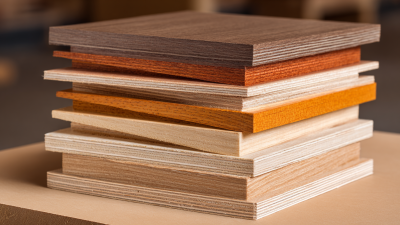
Another important factor is the veneer finish. A well-finished veneer can significantly increase the durability and longevity of cabinet surfaces. A report from the Forest Products Laboratory indicates that properly sealed plywood can withstand moisture and resist scratches more effectively, which is crucial for kitchen and bathroom applications. Additionally, environmentally-friendly options like formaldehyde-free plywood are gaining popularity, as consumers become more conscious of indoor air quality. Choosing plywood with certifications like CARB2 or GREENGUARD can help ensure that your cabinet selections are both stylish and safe.
Top 5 Cabinet Plywood Options for Your Home Renovation Needs
| Plywood Type |
Thickness (mm) |
Cost per Sheet ($) |
Durability Rating |
Best Use |
| Birch Plywood |
18 |
45 |
High |
Cabinets & Furniture |
| Maple Plywood |
15 |
50 |
Medium |
Cabinets & Wall Panels |
| Oak Plywood |
20 |
55 |
High |
High-Quality Cabinets |
| Poplar Plywood |
12 |
30 |
Medium |
Painted Cabinets |
| Marine Plywood |
12 |
80 |
Very High |
Moisture-Prone Areas |
Exploring Durable and Stylish Plywood Types for Cabinets
When it comes to home renovations, choosing the right cabinet plywood can significantly influence both durability and aesthetics. Plywood is known for its strength and versatility, making it a popular choice among homeowners. Options such as Baltic Birch, Marine Plywood, and Lauan offer unique benefits, combining practicality with style.
Baltic Birch provides a smooth surface ideal for painting or staining; Marine Plywood resists moisture, making it perfect for kitchens and bathrooms; while Lauan offers a budget-friendly alternative with a rich, warm appearance.
Tips: When selecting plywood for cabinets, consider the finish and the type of overlay or veneer you plan to apply. A higher grade plywood will provide better durability and a more refined look, minimizing the need for extensive finishing work. Additionally, ensure that the plywood is sourced from sustainable forests, which not only benefits the environment but also guarantees higher-quality materials.
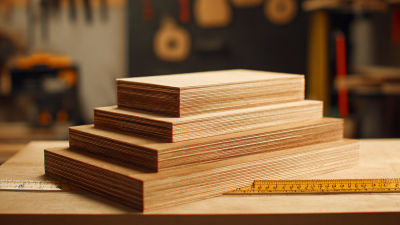
Another important factor to consider is the thickness of the plywood. Thicker plywood will offer better stability and resistance to warping over time. For custom cabinetry, opt for at least 3/4 inch thick plywood for the best balance of strength and weight. Lastly, remember to assess the plywood for any imperfections or voids, as quality control plays a crucial role in the longevity of your cabinetry.
Comparing the Cost: Budget-Friendly vs. Premium Cabinet Plywood
When it comes to choosing cabinet plywood for home renovations, understanding the cost differences between budget-friendly and premium options is crucial. According to the 2023 Plywood Market Report by IBISWorld, mid-range plywood averages around $40-$60 per sheet, while premium options can go as high as $80-$120 per sheet. This price range reflects not only the quality of the materials used but also their longevity and performance under various conditions.
Budget-friendly plywood often utilizes lower-quality wood veneers and adhesives, which can affect the durability and appearance of the cabinets over time. The same report indicates that while homeowners can save upfront costs with budget options, they may incur higher long-term expenses due to repairs or replacements, which can add up to 20-30% more over a 10-year period. In contrast, premium cabinet plywood provides superior resistance to warping and moisture, making it a worthwhile investment for those who prioritize durability and aesthetics in their renovations. Ultimately, the choice will depend on individual needs, but evaluating cost versus value is key for a successful renovation project.
Eco-Friendly Cabinet Plywood Options for Sustainable Renovations
The importance of sustainability in home renovations is increasingly evident, particularly when it comes to choosing the right materials for kitchen cabinetry. Eco-friendly plywood options have emerged as a popular choice among homeowners looking to reduce their environmental footprint while enhancing the aesthetic appeal of their spaces.
With a growing global awareness of sustainability, the plywood market is projected to expand significantly, reaching approximately $73 billion by 2033, driven by trends in construction and eco-conscious consumer preferences.
Notably, sustainable plywood products are not only durable and versatile but also align with the rising demand for environmentally friendly fixtures in home renovations. This increasing interest in green materials is evident in the market for kitchen cabinets and cupboards, which is expected to grow at a CAGR of 2.7% through 2035.
Homeowners can now prioritize sustainability without compromising on style, as more eco-friendly options become available, including innovative products like fire-retardant plywood. As the renovation industry embraces eco-friendly practices, selecting visually appealing and sustainable materials is key to creating a healthier home environment.
Maintenance Tips for Long-Lasting Plywood Cabinets in Your Home
 When investing in plywood cabinets for your home, proper maintenance is crucial to ensure their longevity. According to the Cabinet Makers Association, quality plywood cabinets can last up to 20 years or more with the right care. To achieve this, it is recommended to regularly clean the surfaces with a mild soap solution and a soft cloth, avoiding harsh chemicals that could degrade the finish.
One key maintenance tip is to keep your cabinets dry. Moisture can lead to warping and mold growth, especially in areas like kitchens and bathrooms. To prevent this, it’s advisable to use a dehumidifier in humid environments and promptly wipe up spills. Additionally, applying a protective varnish every few years can help to seal the wood and enhance its resistance to moisture and stains.
Another important factor is temperature control. Experts suggest that a stable indoor temperature, ideally between 60°F and 75°F, helps to maintain the integrity of plywood. Fluctuations in temperature can cause wood to expand and contract, which may lead to cracks or gaps over time. By following these tips, homeowners can ensure their plywood cabinets remain a beautiful and functional aspect of their home for years to come.