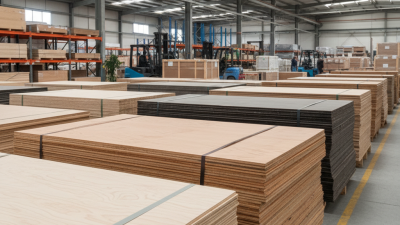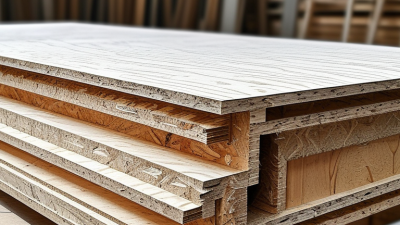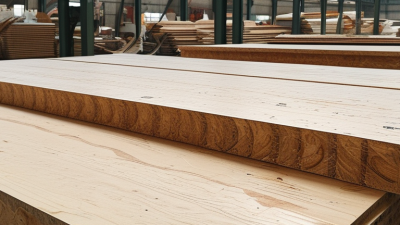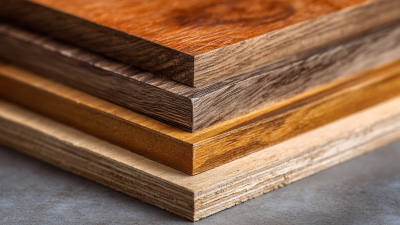
Choosing the right cabinet plywood can influence durability, appearance, installation time, and long-term customer satisfaction. Global buyers often compare more than wood species. They must examine veneer quality, core construction, thickness tolerance, bonding performance, moisture resistance, and responsible sourcing. A beautiful face veneer cannot compensate for weak inner layers.
This guide introduces ten cabinet plywood types commonly considered by furniture manufacturers, wholesalers, contractors, and importers. Options may include birch, maple, oak, walnut, eucalyptus, poplar-core, hardwood-core, marine-grade, fire-retardant, and decorative plywood. Each type serves a different purpose. Birch plywood offers a smooth, stable surface. Oak creates a stronger grain statement. Eucalyptus and poplar cores may reduce weight or cost, but their performance depends heavily on manufacturing quality. Marine-grade plywood is not automatically the best choice for ordinary indoor cabinets.
Real purchasing experience shows that product names can be confusing. Standards and labels may also vary between suppliers and markets. Check technical data, emission documentation, test reports, and sample panels before placing a large order. Ask about formaldehyde compliance, FSC or PEFC certification, moisture content, adhesive type, and allowable thickness variation. Small details matter.
There is no universal winner.
A reliable evaluation should match the plywood to its environment, design, budget, and expected service life. This article compares practical strengths and limitations, while recognizing that supplier consistency remains an important risk. Even experienced buyers can miss a hidden core gap or uneven veneer. Careful inspection remains necessary.
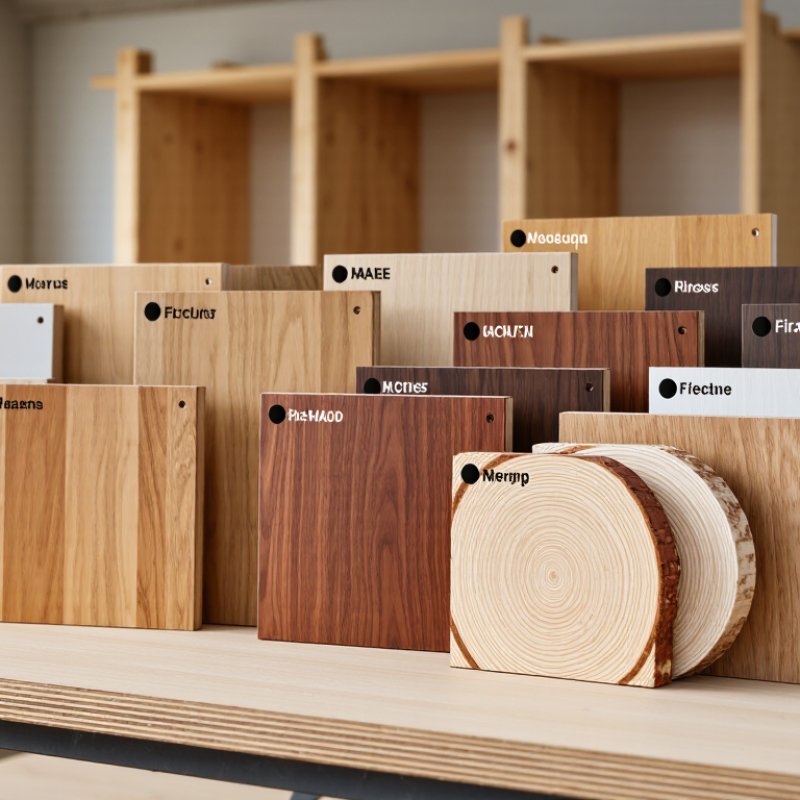
Cabinet plywood is classified by core, face, and construction. The core may be veneer, lumber, or engineered wood. Common options include hardwood-core, softwood-core, birch, poplar, eucalyptus, and composite-core plywood. Veneer-core sheets offer balanced strength and lighter weight. Lumber-core panels provide better screw holding for wide cabinet sides. Composite cores often deliver consistent thickness, but moisture performance varies.
The face determines appearance and finishing behavior. Oak, maple, walnut, birch, and plain utility faces are widely specified. Construction also separates interior, moisture-resistant, structural, and marine-grade panels. Marine plywood usually uses durable veneers and waterproof bonding, but it is not automatically decay-proof. The FAO Global Forest Products Facts and Figures 2023 reported global wood-based panel production at about 411 million cubic metres. Its data also shows strong production concentration in Asia, making regional grading and supply checks essential. The UNECE/FAO Forest Products Annual Market Review 2023–2024 highlights uneven demand and changing panel costs. Labels are not perfectly consistent.
Tips: Ask for core photographs, veneer thickness, formaldehyde class, bond-grade documentation, and panel tolerances. Compare test reports, not only product names. Check flatness under real humidity conditions. A cabinet door may look perfect in a showroom, yet warp after one wet season. That risk is easy to underestimate.
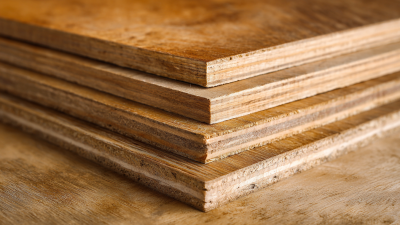
Cabinet plywood varies by face veneer, core structure, moisture resistance, and surface finish. Birch plywood has fine layers, strong screw holding, and a pale, uniform appearance. Maple plywood offers a smooth, light face for painted or clear-finished doors. Oak plywood shows open grain and suits traditional interiors. Walnut plywood provides deep color and a premium visual effect, but its price can fluctuate. Cherry plywood darkens naturally with light exposure.
Poplar-core plywood is lightweight and easy to machine, although its softer core may hold screws less firmly. MDF-core plywood has a very smooth surface and stable edges for painted cabinets, but it becomes vulnerable when water reaches the core. Marine plywood uses durable veneers and water-resistant adhesive; it is useful in humid areas, yet it still needs sealed edges. Fire-retardant plywood can support projects with strict safety requirements, but buyers should verify tested ratings rather than trust a sales label. Flexible plywood bends around curved panels and requires careful support during installation.
In practice, I check panel flatness, veneer repairs, thickness tolerance, and formaldehyde emissions before approving a shipment. Ask for test reports, origin records, and moisture data. Small defects matter. A beautiful face cannot fix a warped cabinet side. Some specifications also change between countries, so local building rules and indoor-air standards deserve direct review. I have found that low-cost panels often create higher labor costs through sanding, rejected cuts, and weak fasteners. The right choice depends on humidity, machining equipment, finish expectations, and the cabinet’s daily load.
Cabinet performance depends on matching plywood construction with its working environment. Birch plywood offers stable layers and clean edges, making it suitable for drawer boxes and carcasses. Maple plywood accepts light stains and supports contemporary cabinet faces. Oak and walnut veneer plywood create strong visual character for doors and exposed panels.
Poplar-core plywood is lighter and easier to machine, although it may dent more easily. Bamboo plywood suits decorative interiors when consistent grain is preferred.
Moisture-resistant plywood works well beneath sinks and in humid kitchens, but it is not waterproof. Marine-grade plywood fits areas with repeated moisture exposure, provided the edges receive proper sealing.
Fire-retardant plywood can support projects with specific safety requirements. Flexible plywood helps form curved doors, while film-faced plywood is useful for hard-wearing utility cabinets.
Tips: Check the core voids, panel flatness, and adhesive documentation before ordering. Ask for emission test reports and applicable local certificates. A dense panel can still fail when screws split the edge. Use concealed samples to test staining, sanding, and hinge holding strength. One mistake is choosing moisture-resistant material for every wet application; that adds cost without replacing correct sealing. Grain direction matters too. A beautiful veneer may look uneven across adjacent doors if sheets are not matched. Thickness can also vary slightly between suppliers, so confirm CNC settings and hardware clearances before production. Small checks prevent expensive cabinet rework.
Top 10 Cabinet Plywood Types for Global Buyers
Global buyers often compare birch, beech, poplar, eucalyptus, hardwood, softwood, marine, film-faced, fire-retardant, and flexible plywood. However, wood species alone does not define cabinet quality. Grade markings such as A/A, B/BB, and BB/BB describe surface appearance, but grading rules vary by supplier and market. Ask for the exact grading standard. A clean face may still hide core gaps.
Bonding performance deserves closer attention. EN 314-2 classifies plywood bonding quality, while EN 636 addresses use conditions and moisture exposure. In the United States, PS 1 or applicable construction standards may be requested for structural panels. “Marine plywood” is not automatically waterproof. Buyers should verify veneer durability, adhesive performance, thickness tolerance, and laboratory test conditions.
Certification also requires careful checking. Formaldehyde emissions may be verified under EN 717-1, CARB Phase 2, or TSCA Title VI, depending on the destination. FSC or PEFC chain-of-custody documents support responsible timber claims. Construction projects may require a Declaration of Performance and CE marking under applicable European rules. Request current certificates, product scope, test dates, batch numbers, and traceability records. Not just a logo. In practice, I have seen documents match a factory, but not the shipped thickness or grade. That gap deserves attention. A pre-shipment inspection, moisture check, and cross-section review can reveal problems before installation. Standards help, but disciplined verification remains essential.
Representative common stock thicknesses and the principal quality or compliance references used in international cabinet procurement.
Top 10 Cabinet Plywood Types for Global Buyers
Cabinet plywood should be compared by more than sheet price. Birch plywood offers a smooth face, stable layers, and reliable screw holding. Maple veneer plywood gives a refined appearance but usually costs more. Oak-faced panels can create strong visual character, while poplar-core plywood often reduces weight and expense. Hardwood-core plywood is another practical choice for large cabinet programs. Ask for core construction details, not only the species name.
Durability depends on moisture exposure, edge treatment, and adhesive quality. For kitchens and bathroom furniture, sealed edges matter greatly. A 0.8-millimeter veneer may look attractive, but weak inner layers can cause problems during machining. Test screw withdrawal, panel flatness, and surface bonding before approving a shipment. A small sample cabinet can reveal more than a polished specification sheet. Marine-grade construction may improve moisture resistance, but it can be unnecessary for dry interiors.
Supply planning can change the real cost. Local species may shorten delivery times, while imported veneers can face seasonal shortages. Compare minimum order quantities, replacement lead times, packaging strength, and container efficiency. Request recent test reports for formaldehyde emissions and moisture performance. Certification documents also need verification. A low quote may hide higher waste, uneven thickness, or difficult customs handling. Buyers often focus too heavily on initial price. That mistake is understandable, but it deserves another review before the purchase order.
Comparison basis: indicative 2025–2026 FOB pricing for one 18 mm × 1220 mm × 2440 mm panel, excluding freight, duties, finishing, and project-specific certification. Actual prices vary by grade, veneer quality, thickness, order volume, and origin.
| Rank | Plywood Type | Typical Core and Face | Indicative Cost USD/m² |
Relative Durability | Moisture Performance | Surface and Machining | Typical Cabinet Applications | Global Supply Availability | Main Buying Considerations |
|---|---|---|---|---|---|---|---|---|---|
| 1 | Birch Plywood | Uniform birch veneers with many thin plies; usually BB/BB, B/BB, or equivalent face grades. | $20–35 | ★★★★★ | Good dimensional stability; standard interior glue is not intended for prolonged wet exposure. | Very smooth, dense, and clean-cut; suitable for exposed edges and CNC machining. | Premium carcasses, drawer boxes, shelving, and modern edge-exposed furniture. | High | Confirm formaldehyde class, panel flatness, void limits, and whether the glue line is interior or exterior grade. |
| 2 | Hardwood WBP Plywood | Mixed hardwood veneers, commonly with a cross-banded core and exterior-grade phenolic glue. | $14–24 | ★★★★☆ | Good resistance to humidity and intermittent wetting when properly sealed; not permanently waterproof. | Strong and versatile; face appearance varies by grade and may require veneer or laminate covering. | Kitchen carcasses, bathroom furniture, utility cabinets, and general joinery. | Very High | Check core gaps, thickness tolerance, species mix, glue-line quality, and applicable exterior-bond standard. |
| 3 | Eucalyptus Plywood | Fast-growing hardwood veneers with eucalyptus or mixed hardwood cores. | $12–21 | ★★★★☆ | Good performance with exterior-grade adhesive and sealed edges; untreated panels need indoor protection. | Hard surface with good screw-holding capacity; face color and grain can vary between batches. | Value-focused kitchen units, shelving, wardrobes, and laminated cabinet panels. | High | Request density, veneer thickness, plantation or legal-origin documentation, and moisture-cycle test data. |
| 4 | Poplar Plywood | Lightweight poplar veneers, often combined with poplar or mixed hardwood inner plies. | $10–18 | ★★★☆☆ | Suitable for dry interiors; use exterior-bond versions for humid rooms and protect all cut edges. | Easy to cut and machine; softer surface can dent more easily and may need a high-quality overlay. | Lightweight cabinet doors, wardrobes, shelving, and painted furniture. | High | Compare density, screw withdrawal strength, face defects, sanding quality, and panel weight. |
| 5 | Marine Plywood | Selected durable veneers with minimal core voids and durable exterior adhesive; grade requirements vary by standard. | $22–40 | ★★★★★ | Designed for demanding humid or wet conditions, but requires complete sealing and correct installation. | Stable and strong; surface appearance may still require a decorative veneer, laminate, or paint finish. | Marine-style kitchens, outdoor-protected cabinetry, bathrooms, and high-humidity interiors. | Medium–High | Verify the exact marine standard, veneer species, core construction, test certificates, and chain-of-custody documents. |
| 6 | Phenolic-Faced Plywood | Hardwood or mixed hardwood plywood faced with a factory-applied phenolic film. | $19–34 | ★★★★☆ | Good resistance to moisture, abrasion, and stains; exposed edges still need sealing. | Smooth or textured ready-to-use surface; durable but less suited to transparent decorative finishing. | Utility cabinets, workshop storage, commercial interiors, and high-wear shelving. | High | Compare film weight, surface texture, edge sealing, slip resistance, and color consistency. |
| 7 | Decorative Veneer-Faced Plywood | Structural plywood core with a thin face veneer such as oak, walnut, ash, maple, or other wood species. | $24–55 | ★★★★☆ | Depends mainly on the substrate glue grade and protective finish; decorative veneer itself is not a moisture barrier. | Premium natural appearance; requires careful sanding, finishing, and grain matching. | Visible cabinet doors, feature panels, premium shelving, and furniture-grade interiors. | High | Specify veneer thickness, matching method, slip-match or book-match layout, finish quality, and allowable color variation. |
| 8 | Fire-Retardant Plywood | Plywood treated or manufactured with a fire-retardant system, commonly with hardwood or softwood construction. | $21–40 | ★★★★☆ | Moisture resistance depends on the underlying panel and treatment; not automatically suitable for exterior use. | Can be machined normally, although treatment may affect color, dust, fastener choice, or finishing. | Hotels, public buildings, transport interiors, retail fixtures, and code-controlled projects. | Medium | Require project-specific fire test classification, thickness scope, treatment compatibility, and installation conditions. |
| 9 | Flexible Plywood | Thin, specially oriented veneers designed to bend across one direction or, in some products, two directions. | $25–45 | ★★★☆☆ | Usually intended for dry interiors unless an exterior-bond specification is explicitly confirmed. | Excellent for curved surfaces; generally needs a structural backing layer and a separate decorative finish. | Curved doors, reception counters, rounded islands, columns, and bespoke furniture. | Medium | Check minimum bending radius, bending direction, thickness recovery, adhesive compatibility, and lead time. |
| 10 | Softwood Plywood | Softwood veneers, commonly spruce, pine, or fir-type species, with structural or appearance-grade faces. | $9–17 | ★★★☆☆ | Dry-interior grades are common; exterior grades are available but must be clearly specified and sealed. | Lightweight and easy to work; knots, resin pockets, and surface variation may require filling or covering. | Budget cabinetry, painted carcasses, storage units, back panels, and temporary fixtures. | Very High | Compare structural grade, knot policy, panel stiffness, resin content, surface sanding, and moisture class. |

Signup our newsletter to get update information, promotion or insight.