
Choosing the right Glass Door Frame is crucial for both functionality and aesthetics. A well-selected frame not only enhances the look of your space but also improves durability. With various options on the market, it can be overwhelming to make a decision.
Consider the material of the Glass Door Frame. Options like aluminum, wood, and vinyl each have unique advantages. For example, aluminum frames are lightweight and resistant to rust. Wooden frames provide a warm, classic feel but may require more maintenance.
Think about the purpose of the door. Is it for an interior room, or does it need to withstand outdoor conditions? Your choice should reflect its environment. Taking the time to reflect on these details will lead to a more satisfying purchase. A little research now can save you from regrets later.
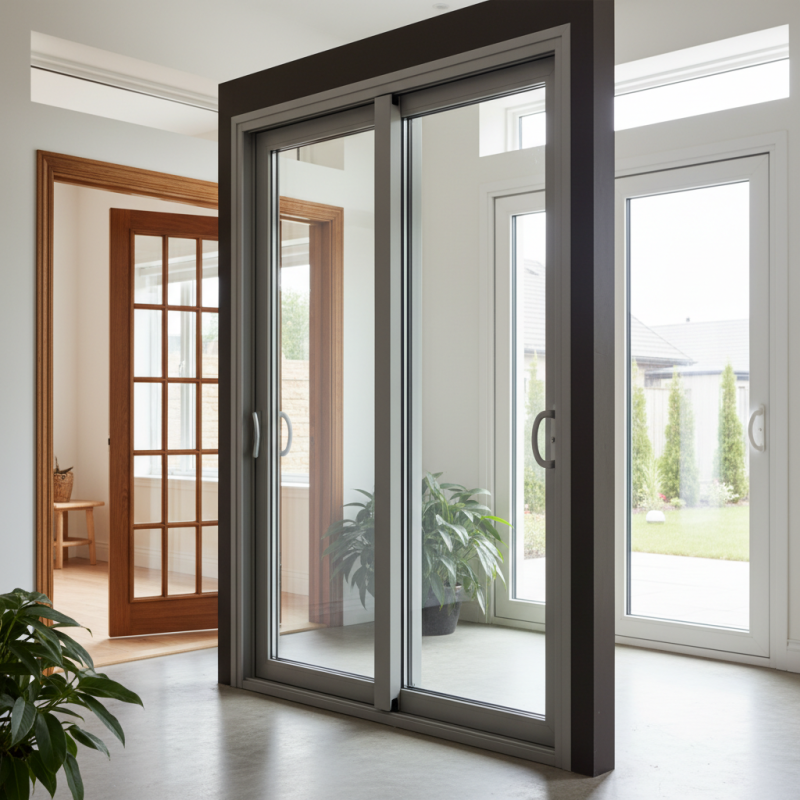
Choosing the right glass door frame involves understanding various material options and their benefits. Steel, aluminum, and wood are common choices. Each material has unique properties that affect aesthetics and durability.
Steel frames are strong and secure. They resist weather and corrosion. According to industry reports, steel frames can last up to 50 years with proper maintenance. However, their weight can make installation challenging.
On the other hand, aluminum frames are lighter and resistant to rust, making them easier to install. They also offer various color finishes, enhancing design flexibility. However, they may not provide the same level of insulation as wood or steel.
Wood frames provide excellent insulation and a classic appeal. They can be customized in numerous styles. However, they require regular maintenance to prevent warping and decay, especially in humid climates. A report by the Glass Association indicates that the choice between these materials often hinges on personal priorities like budget, climate, and desired longevity. Potential buyers should weigh these factors carefully to ensure the best fit for their needs.

When selecting a glass door frame, precise measurements are vital. Start by measuring the width of the opening. Use a tape measure to capture the distance between the walls. Ensure you take measurements at the top, middle, and bottom. This accounts for any irregularities. Record the smallest width to determine the frame’s size.
Next, measure the height from the floor to the top of the opening. This includes any variations. If the floor has sloped areas, measure in several spots. Knowing the height will help in choosing a frame that fits securely. Don’t forget about the thickness of the wall. Standard wall thicknesses vary, so keep this in mind. It affects how the door frame sits.
Consider your aesthetic too. The style and finish of the frame should complement your space. Whether it’s modern or rustic, the right frame enhances your overall design. Yet, even the best measurements can lead to mistakes. Double-check everything. If in doubt, consult a professional. It’s better to take extra time than to face costly errors later.
When selecting a glass door frame, energy efficiency plays a crucial role. Insulated glass options, like double or triple glazing, are popular choices. These types of insulation minimize heat transfer. Consequently, they help maintain comfortable indoor temperatures. In colder climates, insulated frames can lead to significant savings on heating bills.
Additionally, the frame material also impacts energy efficiency. Materials like vinyl and fiberglass offer better insulation compared to aluminum. This is due to aluminum's high thermal conductivity. It's essential to consider the frame's overall construction quality as well. Even well-insulated glass can underperform if the frame isn't tightly sealed. Look for frames with good seals and fewer gaps.
Choosing the right combination can be challenging. It's vital to assess your specific needs. In some cases, homeowners focus too heavily on aesthetics and overlook energy efficiency. This can lead to regrets later. Consulting with professionals can provide valuable insights. They can help you weigh the trade-offs.
| Glass Type | Frame Material | Insulation Rating (U-value) | Energy Efficiency Rating | Cost ($ per Square Foot) |
|---|---|---|---|---|
| Double Glazed Low-E | Aluminum | 0.30 | Good | $25 |
| Triple Glazed | Vinyl | 0.22 | Excellent | $35 |
| Low-E Coated Glass | Fiberglass | 0.28 | Very Good | $30 |
| Tempered Glass | Wood | 0.35 | Fair | $28 |
| Argon Gas Filled | Composite | 0.24 | Excellent | $32 |
When choosing a glass door frame, design considerations play a crucial role. Different architectural styles require distinct aesthetic choices. For a modern home, opt for sleek frames that highlight minimalist lines. These frames can enhance the clean look and create an airy atmosphere.
Traditional styles, however, benefit from ornate designs. Decorative molding on frames can add charm and character. Combining glass with wood or metal can create a warm, inviting entry. It's essential to ensure that your frame complements the overall architecture.
Color choice is another vital aspect. Neutral tones often suit a variety of designs, while bold colors can make a statement. Reflect on the mood you want to create. Light frames may brighten a space, while dark frames can add depth. However, striking the right balance can be challenging and may require experimentation. Ultimately, your frame should resonate with your personal taste and the unique personality of your home.
When budgeting for a glass door frame, it’s important to consider both initial costs and long-term value. On average, mid-range glass door frames range from $500 to $2,500. Factors such as size, material, and design significantly influence the price. Premium materials, like tempered glass, may increase the cost but often enhance durability and aesthetic appeal.
According to industry reports, investing in high-quality frames can provide up to a 70% return on investment when selling a home. Glass door frames not only improve property value but enhance energy efficiency as well. Poorly insulated frames can lead to increased air conditioning costs.
It’s vital to evaluate your long-term needs. A lower upfront cost may seem appealing, but it could lead to higher maintenance expenses down the line. Choosing a frame that aligns with your budget and lifestyle is crucial. Weighing durability, style, and thermal efficiency will help in making an informed decision. Remember that a cost-effective solution today might turn into a financial burden tomorrow.

Signup our newsletter to get update information, promotion or insight.