How to Choose the Right Deck Screw for Your Project?
When embarking on a deck-building project, choosing the right deck screw is crucial. According to renowned deck construction expert James Thornton, "A deck screw is not just a fastener; it's the backbone of your structure." This statement underscores the importance of selecting a quality deck screw that suits your specific needs.
Different materials require different types of deck screws. For instance, stainless steel screws work well for coastal areas, while coated screws are ideal for treated lumber. The variations in size and design can affect the project's durability and aesthetics. It’s easy to overlook these details, yet they play a significant role in the overall success of your deck.
Many DIYers rush their decisions, leading to regrets down the line. It's essential to consider factors like corrosion resistance and thread design carefully. A well-chosen deck screw can enhance both the safety and longevity of your deck. Reflect on the potential mistakes you could make if you don’t take the time to research your options thoroughly. Your project deserves the best.
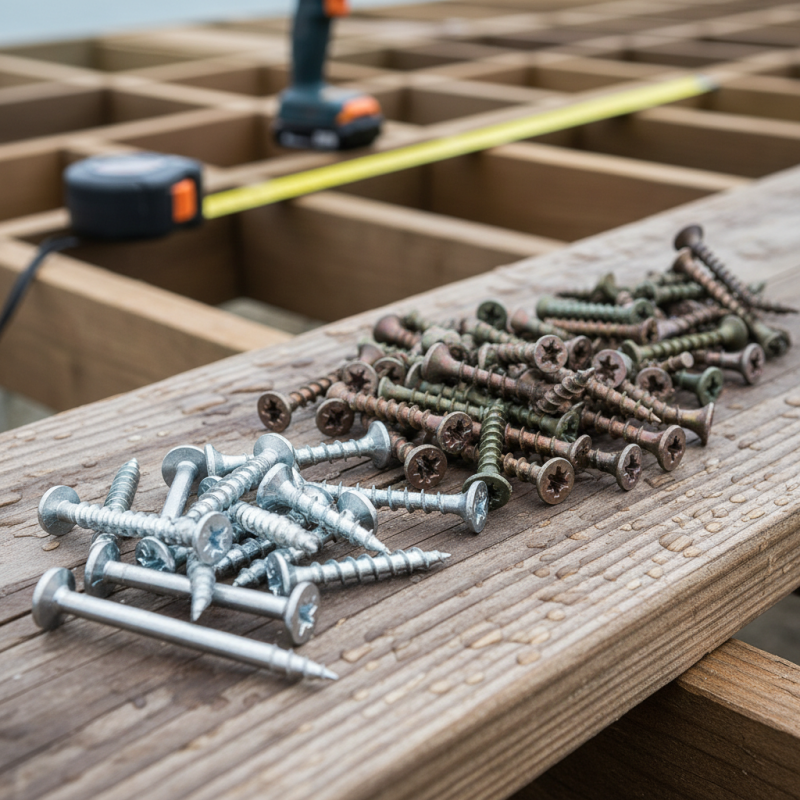
Understanding Deck Screw Types: Wood, Composite, and Stainless Steel
When selecting deck screws, understanding their types is crucial. Wood screws, designed for natural materials, offer excellent grip. They often feature a sharp tip to penetrate wood easily. This type ensures durability, but the choice of material matters. Pressure-treated wood can cause corrosion, which may affect longevity.
Composite screws have become popular for synthetic decking. They resist rust and blend with deck colors. This helps maintain aesthetics and minimizes visible fasteners. However, certain composites may feature less grip than wood screws. The balance between appearance and function is something to consider.
Stainless steel screws provide superior strength and corrosion resistance. They are ideal for coastal areas with high humidity. However, they come at a higher price point. Some users may find this cost prohibitive. Weighing benefits against budget constraints can be challenging. By carefully assessing each type, you can make a more informed decision.
Key Factors in Deck Screw Length Selection for Structural Integrity
When selecting deck screws, length is a critical factor for structural integrity. A report from the American Wood Council states that the screw must penetrate at least 1.5 inches into the support material. This ensures maximum holding power and stability. For decking materials thickness around 1 inch, a screw length of 2.5 inches is typically ideal.
The type of wood can impact your choice as well. Softer woods like pine require shorter screws compared to hardwoods like yellow pine. In fact, the Wood Products Council suggests that deck screws should be chosen based on species and type. A three-inch screw might be overkill for softer wood but necessary for denser materials.
Proper installation is just as crucial. Misalignment can lead to weak points, compromising the deck's integrity. It’s easy to overlook this during the building process. Regular inspections and maintenance also play a role in keeping screws secure. Pay attention to visible signs of wear, as performance can decline significantly over time.
How to Choose the Right Deck Screw for Your Project?
Choosing the right deck screw length is crucial for ensuring structural integrity in your project. The following chart illustrates the recommended screw lengths for different deck board thicknesses and their corresponding applications.
Corrosion Resistance Ratings: What Makes a Deck Screw Durable?
When selecting deck screws, understanding corrosion resistance ratings is essential. These ratings indicate how well screws withstand different environmental conditions. Deck screws often face rain, humidity, and UV exposure. Choosing screws with high corrosion resistance ensures your project lasts longer and remains visually appealing.
Materials play a significant role in durability. Stainless steel screws are known for their exceptional resistance to corrosion. They are ideal for coastal areas with salty air. However, not all stainless steel screws are created equal. Different grades offer varying levels of protection. Similarly, galvanized screws are coated to fight rust but might wear over time. Always check the coating durability.
It's also vital to consider the local climate. If you live in a region with heavy rainfall, investing in higher-rated screws is wise. In contrast, drier areas may not require the same level of protection. Some homeowners overlook these details, facing costly repairs later. Reflecting on the specific needs of your project can lead to better longevity and savings.
Torque Specifications: How to Ensure Proper Fastening in Deck Projects
When working on deck projects, understanding torque specifications is crucial for ensuring proper fastening. Studies suggest that applying the correct torque can improve joint strength and prevent materials from warping or loosening over time. According to the American Wood Council, wood screws should be tightened to a torque of about 20-30 inch-pounds. This range is optimal for maintaining structural integrity and longevity.
Increasing torque beyond recommended levels can lead to strip-out, weakening the connection. For composite materials, maintaining the right torque is vital. Excessive torque might compress or damage the material, leading to performance issues. Additionally, environmental factors such as humidity and temperature fluctuations can affect fastening integrity. These fluctuations may cause screws to loosen, necessitating periodic inspections.
Consider using a torque wrench for accuracy. This tool helps avoid common mistakes like over-tightening. Engaging in best practices for installation creates a robust deck system. Different materials and conditions demand specific approaches, making understanding torque specifications critical to a successful project outcome. Reflecting on these factors can lead to better craftsmanship and fewer repairs down the line.
Environmental Considerations: Choosing Sustainable Deck Screws for Eco-Friendly Builds
When selecting deck screws for eco-friendly builds, sustainability is a primary concern. Many materials used in traditional screws can harm the environment. Currently, about 80% of screws are made from non-recyclable metals, contributing to landfill waste. This reliance on unsustainable materials raises questions about the long-term impact of construction choices.
Choosing screws made from recycled materials is one way to mitigate this issue. For example, screws produced from post-consumer recycled steel can drastically reduce carbon emissions. A report from the Environmental Protection Agency highlights that using recycled materials can save up to 75% of energy compared to producing new metals. This choice not only benefits the environment but also supports the circular economy.
Considering coatings is equally important. Many deck screws are treated with chemicals for water resistance, which can leach into the soil. Opting for eco-friendly, non-toxic coatings helps minimize this risk. Ultimately, it is essential to balance durability and environmental impact. While we strive for sustainable options, ongoing research is needed. The industry must address gaps in knowledge about the life cycle of these materials. Only then can we truly make informed decisions for our eco-friendly projects.
How to Choose the Right Deck Screw for Your Project? - Environmental Considerations: Choosing Sustainable Deck Screws for Eco-Friendly Builds
| Material | Corrosion Resistance | Sustainability Rating | Price Range (per 100 screws) |
| Stainless Steel | Excellent | High | $30 - $50 |
| Carbon Steel (Coated) | Good | Medium | $20 - $40 |
| Brass | Fair | Medium | $25 - $45 |
| Recycled Plastic | Good | Very High | $35 - $55 |
| Wood-composite | Good | High | $30 - $60 |