How to Choose Ballroom Dance Shoes in 2026?
Choosing the right ballroom shoes in 2026 is about more than matching a costume. Your comfort, balance, floor control, and practice habits should guide the decision. Ballroom Dance shoes must support precise movement without restricting natural foot action. A polished pair may look perfect online, yet feel unstable after ten minutes on a wooden floor.
Start with the basics. Measure both feet at the end of the day, when slight swelling is more likely. Check the heel height, toe shape, arch support, and sole flexibility. Suede soles often help dancers control turns, while leather soles may suit certain practice environments. However, no material works equally well for every dancer. That detail is easy to overlook.
A reliable fitting process includes walking, rising onto the balls of your feet, and testing a slow pivot. Your heel should stay secure, but your toes should not feel compressed. Leave enough room for movement, not enough for sliding. Experienced instructors and reputable dance-shoe specialists can offer useful guidance, especially when your feet have different widths or previous injuries. Still, their advice should not replace professional medical care.
In 2026, online shopping may offer more styles, adjustable straps, and improved fitting tools. These features are helpful, but product images can hide stiff materials or poor construction. Read verified reviews, inspect return policies, and examine stitching around the sole. I once trusted an attractive discount pair and regretted it after one rehearsal. Small details matter.
Choose for your real dancing life. Practice first. Perform later.
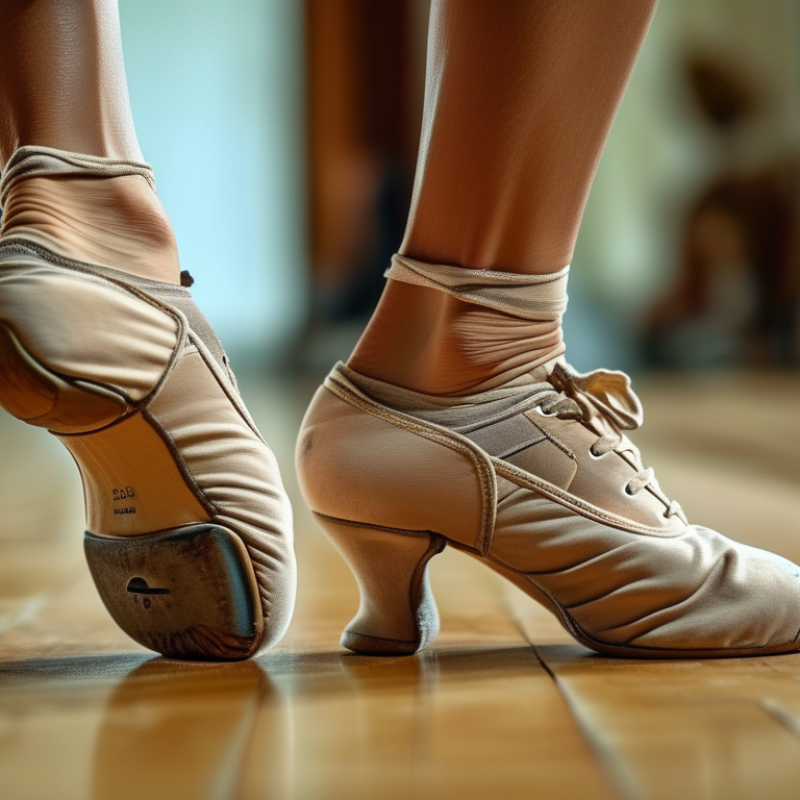
Understanding Ballroom Dance Shoe Types and Their Purposes
Ballroom dance shoes are designed for specific movements, not just appearance. Standard shoes usually have a closed toe, stable support, and a lower heel for flowing steps and controlled posture. Latin shoes are more flexible, often open-toed, and use a higher heel to emphasize hip action and precise foot placement. Practice shoes provide extra comfort and cushioning during long training sessions. They may feel less elegant, but comfort protects your focus.
Choose the shoe according to your dance style, floor, and experience. Beginners often benefit from moderate heels and secure straps. Advanced dancers may prefer lighter shoes with greater flexibility. Men’s ballroom shoes usually have a firm sole and a low heel, while women’s designs vary more in height and shape. The sole should allow turning without feeling slippery. Fit matters more than color. Your toes should lie flat, and your heel should not lift during a basic step. Even experienced dancers get this wrong.
Tips: Try shoes in the evening, when feet are slightly larger. Wear the socks or tights used for dancing. Walk, rise onto the balls of your feet, and test a slow turn. Avoid buying a painful pair because it looks perfect. Still, this advice is not absolute; some dancers need firmer support after ankle injuries. When unsure, ask a qualified dance teacher or fitting specialist, and reassess the shoes after several lessons.
Choosing the Right Fit, Size, and Comfort Features
Ballroom shoes should feel secure before they feel elegant. During a fitting, stand naturally and check whether your toes can move slightly. Your heel should stay in place when you walk and rise onto the balls of your feet. Test both feet. Many dancers have one foot slightly larger than the other. Measure them after a full day, when mild swelling is more likely. A size that feels perfect in the morning may feel restrictive at night.
Choose a shape that follows your foot without squeezing the widest area. Narrow shoes can cause burning, blisters, or numb toes during repeated practice. Wide shoes may let your foot slide, reducing balance and control. I once chose a snug pair because it looked cleaner. After two hours, my toes felt cramped, and my posture changed. That mistake taught me to value movement over appearance. Leave enough space for natural toe spread, but avoid a loose front.
Comfort also depends on construction. Look for soft lining, flexible material, and cushioning beneath the forefoot. A stable heel is important, especially during quick turns. The sole should allow controlled sliding, not unpredictable slipping. Try several basic steps on a suitable dance floor before deciding. Walk, rotate, and perform a slow rise. Notice pressure points immediately. Breaking in shoes can help slightly, but severe pain is not normal. Sometimes, the most attractive fit is simply the wrong fit.
Selecting Materials, Heels, Soles, and Support Levels
How to Choose Ballroom Dance Shoes in 2026?
Material affects comfort, flexibility, and durability. Leather usually softens around the toes, while satin feels lighter but may mark easily. Synthetic uppers can resist moisture, yet they may feel warmer during long practice sessions. World Footwear’s 2024 Yearbook reported that Asia produced about 87% of global footwear in 2023. Manufacturing location matters less than construction quality. Check the stitching, lining, and heel attachment carefully.
Heel height should match your balance, ankle strength, and dance style. Beginners often control movement better with a lower, wider heel. Advanced dancers may prefer a slimmer heel, but elegance should not replace stability. The American Podiatric Medical Association’s survey of 1,000 adults found that 77% had experienced foot pain. That figure deserves attention. Pain is feedback, not proof of progress. I still question whether many dancers choose height for appearance first.
Sole choice changes floor control. Suede soles support controlled sliding and quick weight transfers. Leather soles can feel firmer, but they may demand more break-in time. Rubber soles provide grip, though excessive traction can interrupt turns. Choose light support for flexible feet, medium support for general training, and firm support for unstable arches. Try both shoes on a clean studio floor. Walk, rise onto the balls of your feet, and complete a slow turn. The shoe should hold your heel without squeezing your toes. Small discomfort becomes large after two hours.
Testing, Maintaining, and Replacing Ballroom Dance Shoes
How to Choose Ballroom Dance Shoes in 2026?
Testing, Maintaining, and Replacing Ballroom Dance Shoes
Test ballroom dance shoes on a clean, smooth floor before committing to them. Walk, rise onto the balls of your feet, and practice controlled turns. Your heel should feel stable without pinching your toes. The sole must allow movement, but it should not slide uncontrollably. Bend each shoe gently near the toe area. Excessive stiffness can restrict footwork. A qualified dance teacher or professional fitter can notice problems you may miss.
Inspect your shoes after every demanding session. Look for loose stitching, uneven heel wear, cracked soles, and stretched straps. Wipe away dust with a soft, slightly damp cloth. Let damp shoes dry naturally away from heaters and direct sunlight. Use shoe trees or clean paper to help preserve their shape. Never store them while sweaty. That mistake causes unpleasant odors and weakens some materials. I once ignored a small loose stitch, and it became a torn side panel.
Replace ballroom shoes when support declines, not only when they look unattractive. Warning signs include painful pressure, a twisting heel, reduced sole grip, or visible separation. Compare both shoes on a flat surface. If one leans noticeably, your balance may suffer. Replacement timing varies with practice frequency, floor type, body weight, and care. I used to replace shoes too late. That judgment was wrong. A short fitting session can prevent months of discomfort and unreliable movement.
How to Choose Ballroom Dance Shoes in 2026?
Testing, Maintaining, and Replacing Ballroom Dance Shoes
The chart shows estimated service life for ballroom dance shoes according to weekly dance frequency. These ranges assume regular indoor use, a properly fitted shoe, and routine maintenance. Test the fit before every session, brush suede soles regularly to restore traction, keep shoes dry, and replace them when the sole loses grip, the heel becomes unstable, the upper no longer supports the foot, or visible structural damage appears. Actual durability varies with floor type, body weight, dancing style, and care.