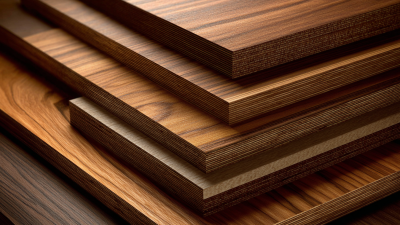
How to Choose the Best Maple Plywood for Your Projects?
Choosing the right maple plywood for your projects can be overwhelming. The market offers various options, each with unique features. Quality matters significantly when selecting maple plywood, as it affects durability and appearance.
Consider the grain pattern and thickness. These factors directly impact the final look of your work. High-quality maple plywood often has a fine, consistent grain. This attribute enhances the aesthetics of any project. However, it is easy to overlook the importance of sourcing. Not all suppliers guarantee the same quality.
You might find yourself drawn to cheaper options. While saving money feels great, it can lead to regrets later. Bad plywood can warp or chip easily. Reflecting on your needs will help you avoid costly mistakes. Investing in quality maple plywood pays off in the long run. It enhances not just your project but also your skills as a maker.
Understanding Maple Plywood: Key Characteristics and Benefits
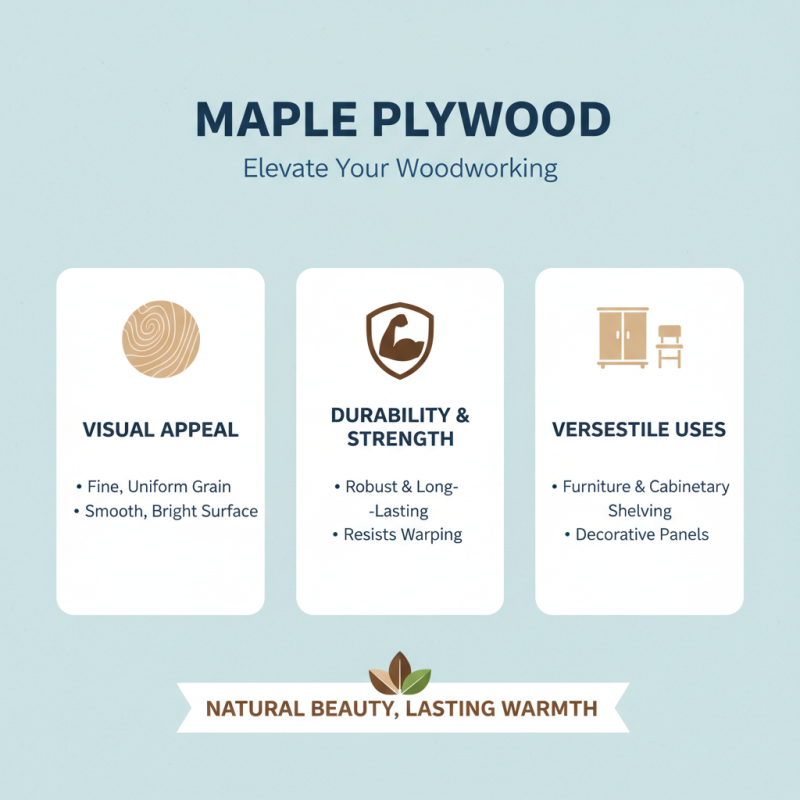
Maple plywood is a popular choice for woodworking projects. Its fine grain and smooth texture make it visually appealing. Additionally, it offers durability and strength, making it ideal for furniture, cabinets, and decorative items. The natural beauty of maple wood can enhance various designs, bringing warmth to any space.
When selecting maple plywood, consider the thickness. Thicker plywood provides more strength. However, it may be heavier and harder to work with. You may also need to think about the finish. A natural, clear coat can showcase the wood's grain. But darker stains may hide imperfections in lower-quality sheets.
Tip: Always inspect your plywood carefully. Look for voids or knots that can affect the final product. If you notice flaws, it’s often worth choosing another sheet. Another point to remember is to buy extra pieces. You might make mistakes during the cutting process. Keeping an extra piece can save you time and frustration down the line.
Types of Maple Plywood: Selecting Between Veneer and Solid Core Options
When selecting maple plywood, one major decision involves choosing between veneer and solid core options.
Veneer plywood features a thin layer of real maple on top of a composite core. This is cost-effective and gives a stylish finish. Perfect for cabinets or furniture, it’s lighter than solid core. However, it may not hold up as well under stress. If your project involves high durability, this might not be the best choice.
On the other hand, solid core plywood is thicker and sturdier. It can support heavier loads and resist warping over time. This option is ideal for high-traffic areas or heavy-duty applications. However, it often comes at a higher price point.
It's important to carefully weigh the benefits and drawbacks. Reflect on your project needs and budget constraints before making a decision. Sometimes, the appearance of veneer can be deceiving, leading to unexpected maintenance issues. Both choices have their merits and pitfalls; it’s crucial to match your project requirements with the right type of plywood.
Evaluating Quality: Signs of Good Maple Plywood Construction
When evaluating maple plywood, look for specific construction signs. The veneer quality is crucial. High-quality maple plywood features a smooth, uniform surface. Check for consistent grain patterns. Irregularities can signal inferior materials or poor manufacturing. The thickness of the veneers also matters. A thicker top veneer enhances durability, contributing to longevity.
Evaluate the edges of the plywood. A clean-cut edge suggests precision during production. Avoid plywood with rough or splintered edges. These imperfections can become challenges during your project. According to industry reports, plywood that undergoes rigorous quality control tends to perform better in the long run.
Consider the bonding quality as well. The adhesive should be strong and moisture-resistant. Poor glue can lead to delamination over time. Look for plywood that has been tested for impact resistance and flexibility. A well-constructed sheet will withstand shifts and strains during usage. Manufacturers often publish this data, highlighting the importance of structural integrity.
In the end, no sheet is perfect. Each piece may exhibit slight variations. However, focusing on these quality indicators can lead to better choices for your projects.
How to Choose the Best Maple Plywood for Your Projects? - Evaluating Quality: Signs of Good Maple Plywood Construction
| Attribute |
Description |
Quality Indicators |
| Wood Grade |
Refers to the aesthetic quality and defect levels in the plywood. |
Select, A, B, C grades - Select grade being the highest quality. |
| Core Material |
The center layer of the plywood, which affects durability and strength. |
Birch or solid wood cores are preferable for better quality. |
| Thickness |
The measurement of plywood, which influences its strength and applications. |
Common thicknesses include 1/4", 1/2", 3/4". Select based on project needs. |
| Finish |
The surface treatment applied to the plywood. |
Smooth, sanded finishes indicate higher quality. |
| Grain Pattern |
Natural design visible on the plywood surface. |
Straight and uniform grain patterns are typically more desirable. |
| Warranty |
Assurance of the product quality from manufacturer. |
Longer warranties often indicate higher confidence in product quality. |
Considerations for Project Requirements: Thickness, Finish, and Durability
When choosing maple plywood, several project requirements come into play. Thickness is crucial. Thicker sheets provide strength but increase weight. A ¾-inch ply offers solid support for furniture, while ¼-inch is lighter and suitable for cabinetry. Assessing the load the plywood will carry is essential. The wrong thickness can lead to failures in your project.
Finish also matters significantly. Some projects require a smooth, polished look. Others might benefit from a textured or raw finish. Consider how the plywood will be treated. Shelving might need a durable finish to withstand wear. On the other hand, decorative pieces might not.
Durability is another key factor. Plywood is not equal in quality. Some types resist moisture better, while others excel in strength. Think about where your project will be used. Indoor pieces can differ greatly from outdoor ones. Aiming for longevity is wise, but overthinking specifics might lead to delays. Balancing these considerations ensures your project meets expectations.
Comparison of Maple Plywood Thickness Options
Where to Purchase: Reliable Suppliers and Pricing Comparisons
When selecting maple plywood, understanding where to purchase is crucial. Reliable suppliers can significantly impact the quality and price. According to a report from the Wood Products Council, the average price range for maple plywood is between $40 to $75 per sheet, depending on thickness and grade. Many suppliers offer bulk discounts for larger orders, which might be appealing for significant projects.
Online platforms provide a wide range of choices. However, prices may vary greatly based on shipping and handling fees. Some sites charge more for specialty cuts or edges. Local suppliers can sometimes offer better prices but may lack the extensive inventory of larger retailers. A comparison of multiple suppliers can often reveal surprising differences.
Before making a purchase, consider reviewing customer feedback. Some customers report issues with uneven surfaces or color mismatches. Such problems highlight the importance of inspecting your order upon delivery. Remember that not every supplier guarantees quality. Take time to research and reflect on your options to ensure a satisfactory purchase.