How to Choose the Best Gypsum Board for Your Project?
Choosing the right Gypsum Board for your project can significantly influence the overall outcome. Gypsum Board, commonly known as drywall, serves various functions in construction. Its properties include fire resistance, soundproofing, and ease of installation, making it a popular option for builders and homeowners.
When selecting Gypsum Board, consider factors such as the purpose of the space, environmental conditions, and building codes. For instance, moisture-resistant Gypsum Board is essential in bathrooms or kitchens. In contrast, regular boards work well in dry areas. Even a small oversight in this choice can lead to serious repercussions, such as mold growth or structural issues.
Despite the apparent ease of selection, not all Gypsum Boards are created equally. Differences in thickness, material composition, and manufacturer could affect durability and performance. Some recommendations may appear straightforward but require deeper thought. Reflecting on these details can enhance your knowledge and help you make a well-informed decision that aligns with your project goals.
Understanding the Different Types of Gypsum Board Available
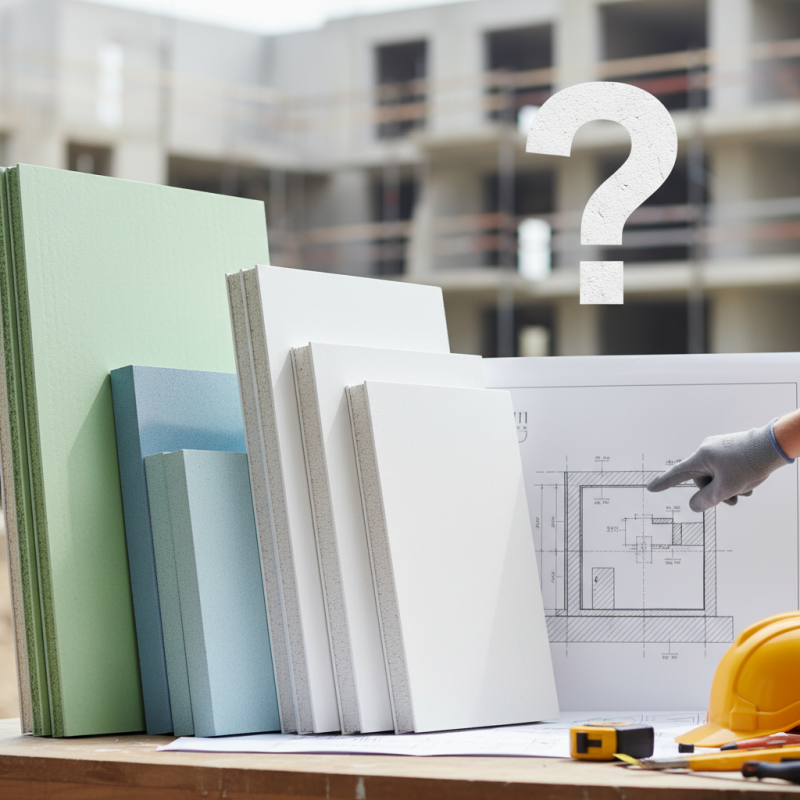
Choosing the right gypsum board for your project involves understanding its various types and characteristics. Gypsum boards, also known as drywall, come in several forms. Standard gypsum board is widely used for interior walls and ceilings. It offers good versatility and cost-effectiveness for residential applications. According to the Gypsum Association, nearly 20 billion square feet of gypsum board is produced annually in North America alone.
Specialty gypsum boards are designed for specific needs. Moisture-resistant boards are essential in areas like bathrooms and kitchens. They help prevent mold growth, a significant concern in wet spaces. Fire-resistant boards offer added safety in commercial buildings. Fire-rated gypsum board can withstand high temperatures for specified periods. Reports indicate that the construction industry increasingly favors these boards for their efficiency in fire prevention.
Acoustic gypsum boards are also gaining popularity. They reduce sound transmission between rooms, enhancing privacy in residential buildings. Recent industry studies highlight that using acoustic gypsum can decrease sound levels by an average of 20 decibels. Selecting the right type of gypsum board can impact not just installation but also long-term performance. Consider the specific requirements of your project to maximize effectiveness.
How to Choose the Best Gypsum Board for Your Project?
| Type of Gypsum Board | Thickness (inches) | Fire Resistant | Moisture Resistant | Usage |
| Standard Gypsum Board | 1/2 | No | No | Walls & ceilings |
| Fire Resistant Gypsum Board | 5/8 | Yes | No | High fire risk areas |
| Moisture Resistant Gypsum Board | 1/2 | No | Yes | Bathrooms & kitchens |
| Soundproof Gypsum Board | 5/8 | No | No | Rooms requiring sound isolation |
| Flexible Gypsum Board | 1/4 | No | No | Curved walls & ceilings |
Evaluating Project Requirements and Environmental Conditions
When selecting gypsum board, understanding project requirements and environmental conditions is crucial. Gypsum boards come in various types, each designed for specific purposes. For instance, moisture-resistant boards are vital in humid environments, while fire-resistant boards are suited for areas requiring higher safety standards. According to industry data, nearly 40% of indoor moisture issues arise from improper material choices.
Consider the location of your project. High humidity areas demand boards with reliable moisture resistance. A study indicated that using moisture-resistant gypsum can reduce mold growth significantly. For projects exposed to thermal stress, energy-efficient gypsum boards can help maintain internal temperatures, creating a comfortable living space.
Tips: Assess the space and its functions. For bathrooms, opt for moisture-resistant options. In kitchens, fire-resistant panels are a smart choice. Evaluate existing environmental factors profoundly. Understanding these elements can drastically improve durability and functionality. Being educated on the necessary specifications is essential for a successful installation. Ultimately, the right choice can save time and costs.
Comparing Gypsum Board Specifications and Features
When selecting gypsum board for a project, understanding specifications is crucial. Different types cater to various needs. You might encounter standard, moisture-resistant, and fire-rated boards. Each type serves a unique purpose, influencing your choice based on the project requirements.
Moisture-resistant boards are essential for bathrooms and kitchens. They prevent mold and damage in humid areas. However, the added cost might make you reconsider. Also, fire-rated boards are a must for areas requiring enhanced safety. Although they offer more protection, such options can be heavier and more expensive. Evaluating your specific needs and budget is vital.
Dimensions also matter. Standard sizes include 4x8 feet sheets. However, custom sizes exist for special applications. The thickness varies too, generally between 1/4 inch and 5/8 inch. A thicker board provides more durability but could complicate handling. Assessing the project’s scale and setting will guide your decision. Always reflect on the trade-offs involved in your choices.
Assessing Cost-Effectiveness and Availability
When selecting gypsum board, cost-effectiveness and availability are crucial. Many projects depend on budget constraints. Prices can vary widely based on quality and features. Cheaper boards may lead to quick fixes but could result in long-term issues. Often, the initial savings vanish with potential repairs.
Consider availability. Local suppliers can significantly impact your choice. A board may seem ideal, but if it’s hard to find, it’s not practical. Assess delivery times and stock levels. Some regions face shortages. This might force you to compromise on quality or pay extra for urgent deliveries.
Reflecting on previous projects, I noticed the pitfalls in overlooking these factors. I initially prioritized cost without considering the long-term implications. This led to frustration and delays. A balanced approach lies in thoughtful evaluations of both cost and accessibility. It’s essential to weigh these elements before finalizing your choice.
Ensuring Compliance with Building Codes and Standards
When embarking on a construction project, selecting the right gypsum board is crucial. Compliance with building codes ensures safety and durability, which can vary by location. Each region has specific regulations. These often pertain to fire resistance, moisture resistance, and loading requirements. Make sure to familiarize yourself with local codes.
Tips: Check the code requirements before making any purchase. This can save time and prevent costly mistakes. Consulting with local building officials can provide clarity on specific needs. Not all projects are the same; some may require specific types of boards, like fire-rated or moisture-resistant. Ignoring these factors can lead to problems down the line.
Choosing the right gypsum board goes beyond personal preference. It must meet safety and structural integrity standards. Review technical specifications and test reports. If you're unsure, seek guidance from professionals. Engaging with architects or engineers can offer insights that documents may overlook. Each project presents unique challenges; understanding the nuances is essential.