Blog

How to Choose Maple Plywood for Global Sourcing in 2026?

Choosing maple plywood for global sourcing in 2026 requires more than comparing price per sheet. Buyers must connect appearance, performance, origin, and documentation. Maple plywood is valued for its pale color, tight grain, and clean machining. Yet these features can vary between North American hard maple, soft maple, and mixed-species panels. A sample may look excellent under showroom lighting, then reveal color differences beside a window.

Market conditions also deserve attention. The UNECE/FAO Forest Products Annual Market Review 2023–2024 highlights continuing volatility in forest-product prices, trade flows, and construction demand. The report supports a practical lesson: a low quotation is not necessarily a stable supply solution. FAO’s Global Forest Resources Assessment 2020 recorded about 4.06 billion hectares of global forest, while reporting continuing net forest loss. Responsible sourcing therefore needs traceable origin, verified legality, and credible chain-of-custody evidence. Certifications can help, but they do not replace supplier audits.

This guide examines face-grade selection, core construction, moisture resistance, formaldehyde emissions, packaging, and shipment risk. APA guidance on engineered wood products can help buyers distinguish structural requirements from decorative applications. Request technical data, test reports, and batch photographs before approving production. Check thickness tolerance with calipers, not assumptions. Also compare HS classifications carefully with your customs broker and destination rules. The process is not flawless. Species names, veneer grades, and certification claims can be interpreted differently across markets. That is where careful questions matter. A dependable 2026 purchasing decision should balance verified performance, transparent documentation, landed cost, and the supplier’s ability to repeat the same quality.

How to Choose Maple Plywood for Global Sourcing in 2026?

Maple Plywood: Composition, Grades, and Core Performance Traits

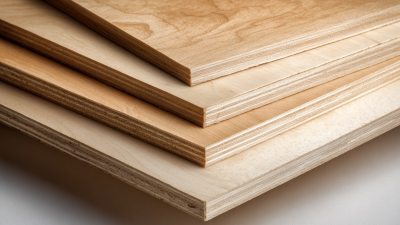
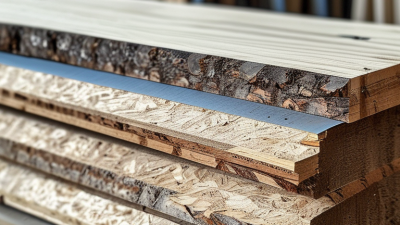
Maple plywood is built from thin maple veneers bonded over a layered core. The face may be maple, while inner plies use birch, poplar, or mixed hardwood. This structure affects weight, screw holding, machining, and price. A denser core usually supports better fastening and cleaner panel edges. However, density alone does not prove quality.

Grades often describe face appearance, not total panel performance. A or B faces may show fewer knots, patches, and color variations. C or D faces can contain more repairs and visible defects. Grade names may differ between suppliers and regions. Ask for the exact grading standard. A clean face can hide core voids, uneven thickness, or weak bonding. I have seen attractive samples fail during routing. That possibility deserves attention.

Tips: Request full-size samples, not only small swatches. Measure thickness at several points with a caliper. Inspect edges for gaps after cutting. Check veneer direction, flatness, and screw-holding results. For furniture, confirm moisture content before shipment. For humid applications, request moisture-resistant adhesive data and formaldehyde-emission documentation. Ask whether the core is all maple or mixed species. That detail changes weight and stability. Compare test results, not only photographs. Some suppliers provide limited data. Treat that as a sourcing risk, not a minor omission.

How to Choose Maple Plywood for Global Sourcing in 2026? - Maple Plywood: Composition, Grades, and Core Performance Traits

Category Evaluation Dimension Typical Data or Market Reference Why It Matters for Global Sourcing
Composition Face and back veneers Rotary-cut or sliced maple veneers are commonly used on the visible faces. Face thickness varies by manufacturer and panel specification. Confirm whether the panel is genuinely maple-faced, whether both sides match, and whether veneer thickness is sufficient for sanding and finishing.
Composition Core construction Common cores include hardwood veneer core, mixed hardwood core, poplar or eucalyptus veneer core, and engineered fiber-based cores. The core strongly affects screw holding, panel weight, flatness, machining behavior, and overall cost.
Composition Adhesive system Interior panels may use interior-grade adhesives; moisture-resistant and exterior panels require adhesive systems intended for the applicable exposure class. Request the adhesive classification, emissions documentation, and bond-quality test method instead of relying only on terms such as “waterproof.”
Composition Panel thickness Common commercial thicknesses include approximately 3, 6, 9, 12, 15, 18, and 25 mm, subject to market and application. Specify nominal thickness, minimum delivered thickness, sanding allowance, and thickness tolerance in the purchase specification.
Grades Face appearance grade A-grade faces generally target a clean appearance with limited defects; B-grade allows more natural color variation and repaired defects; C and D grades permit progressively more open defects or patches. Grade terminology is not fully uniform worldwide. Define knot size, patch limits, open defects, mineral streaks, color variation, and sanding requirements in writing.
Grades Back-face grade Backs may be specified as matching, utility, or lower appearance grade, depending on whether both sides are visible. A lower-grade back can reduce cost, while a matched two-sided panel is preferable for open shelving, furniture, doors, and visible partitions.
Grades Structural or non-structural classification Decorative maple-faced plywood is not automatically structural plywood. Structural use requires compliance with the relevant local or international standard and documented testing. Do not substitute an appearance grade for a load-bearing grade without checking design values, certification, and end-use regulations.
Core Performance Density and panel weight Hardwood-faced plywood commonly falls within a broad density range of roughly 550–750 kg/m³, depending on species, core design, adhesive, and moisture content. Density influences freight cost, manual handling, hinge loading, and screw performance. Use actual factory measurements for quotations and logistics planning.
Core Performance Bending strength and stiffness Performance varies with thickness, veneer orientation, span, core species, lay-up, and grading standard. A published test report is required for reliable design values. Compare test methods and units before comparing suppliers; nominal thickness alone does not establish structural performance.
Core Performance Screw-holding capability Veneer-core and solid-wood-core panels generally provide better edge-screw retention than low-density fiber-based cores, although results depend on construction and test direction. For cabinets and furniture, request face, edge, and withdrawal test data or approve a production sample before volume ordering.
Core Performance Flatness and dimensional stability Balanced lay-up, even moisture conditioning, controlled pressing, and proper storage reduce bowing, twisting, and cupping. No plywood panel is completely immune to moisture movement. Specify maximum bow and twist, measure panels on a flat reference surface, and keep bundles protected from rain and rapid humidity changes.
Core Performance Moisture content Hardwood plywood is commonly manufactured and shipped near the equilibrium range used for interior products, often about 6–12%, but the actual target depends on climate and product specification. Set an agreed moisture-content range and sampling method, especially when importing between significantly different climates.
Core Performance Machining and finishing Maple faces can produce a smooth, attractive finish, but dense hardwood veneers may show burn marks, tear-out, or uneven stain absorption if tooling and preparation are unsuitable. Approve samples using the intended saw, router, sanding sequence, stain, paint, or clear coat before confirming the production order.
Compliance Formaldehyde emissions Requirements differ by destination. Common procurement references include applicable regional emissions limits, such as TSCA Title VI in the United States or E1-based requirements in many markets. Specify the destination-market requirement, test standard, certificate validity, and product scope; do not treat an emissions label as universal across all regions.
Compliance Legal timber and chain of custody Maple species, veneer origin, and supporting documentation should be traceable. Import obligations depend on the destination country and applicable timber regulations. Request species identification, country of harvest information where required, supplier declarations, and chain-of-custody records when relevant to the project.
Quality Control Pre-shipment inspection points Check dimensions, thickness, squareness, flatness, face defects, delamination, core gaps, moisture content, packaging, and labeling against an approved specification. A measurable inspection plan reduces disputes caused by vague grade names and helps maintain consistent quality across multiple production lots.
Sourcing 2026 purchase specification essentials Define maple species or accepted alternatives, face/back grade, core species, thickness tolerance, dimensions, adhesive class, emissions limit, moisture range, packaging, inspection level, and destination compliance. A complete specification makes quotations comparable and prevents suppliers from interpreting the same commercial grade in different ways.
Procurement note: The ranges and descriptions above are general market references, not a substitute for a product standard or laboratory report. Final acceptance criteria should be matched to the destination market, intended application, and applicable building or furniture regulations.

Define Your Project’s Requirements Before Global Sourcing

How to Choose Maple Plywood for Global Sourcing in 2026?

Define Your Project’s Requirements Before Global Sourcing

Maple plywood is not one uniform material. Start with the use. A cabinet door needs a clean face, stable cores, and consistent thickness. A workbench may need higher stiffness and better screw holding. The USDA Forest Products Laboratory’s Wood Handbook explains that density, grain direction, and moisture content strongly influence wood performance. Maple species can differ noticeably in density. That difference affects weight, machining, and freight costs.

Write a technical purchase brief before contacting suppliers. Specify veneer grade, core species, panel size, thickness tolerance, glue type, formaldehyde-emission class, and permitted repairs. State the target moisture range, usually around 6–12% for interior applications, depending on the destination climate. Measure twice. A vague “premium maple” request invites inconsistent quotations. Ask for recent test reports, production samples, and batch photographs. I have seen attractive samples hide uneven cores. That mistake becomes expensive after cutting.

Traceability also deserves attention. The FAO Global Forest Resources Assessment 2020 reports approximately 4.06 billion hectares of global forest, but legal origin still requires documented supply chains. Request harvesting and chain-of-custody records where applicable. Check whether the panels meet the destination’s plywood and emissions requirements, such as applicable EN or ASTM specifications. Do not rely on certificates alone. Compare test methods, sampling dates, and declared tolerances. Small details matter. Suppliers may interpret “water resistant” differently, and that phrase needs a defined test standard.

Compare Maple Plywood Standards, Certifications, and Supplier Claims

Choosing maple plywood for global sourcing requires separating measurable standards from polished supplier language. Maple usually describes the face veneer, not the entire panel. Ask for core species, veneer thickness, moisture content, grade, and intended use. For structural applications, check compliance with applicable panel standards, such as PS 1 or EN 636. EN 314 bonding class also matters: Class 1 suits dry interiors, while Class 3 targets exterior exposure. Decorative plywood may meet different requirements.

Certification claims need careful checking. The FSC 2023 Annual Report recorded more than 160 million hectares of FSC-certified forests worldwide. The PEFC 2023 Annual Review reported approximately 295 million hectares under PEFC-endorsed certification. These figures indicate scale, not automatic product quality. Request a valid certificate number, scope, expiry date, and chain-of-custody details. A forest certificate alone does not prove that the shipment is certified.

Emissions require separate evidence. For North American markets, request TSCA Title VI or equivalent testing records. For European projects, review EN 717-1 formaldehyde results and the required emission class. Test reports should identify the exact panel construction, thickness, laboratory, and production date. Supplier claims can drift. I have seen “maple plywood” contain thin maple faces over mixed hardwood cores; this may be acceptable, but only when disclosed. Compare tolerances, surface repairs, bending strength, and packaging records before approving a sample. The sample is not the shipment.

Evaluate Costs, Logistics, and Import Risks Across Global Markets

Choosing maple plywood for global sourcing in 2026 requires more than comparing factory prices. Start with core construction, face grade, thickness tolerance, moisture content, and adhesive emissions. A clean A-grade face may cost more, yet reduce rejected panels during cabinet production. Ask for recent test reports, mill inspection records, and production samples from the same specification. Samples can mislead. Production variation remains possible.

Build a landed-cost sheet in the buyer’s currency and a second currency for sensitivity checks. Include panel price, export packing, inland transport, ocean freight, insurance, duties, customs brokerage, port storage, and final delivery. Container utilization matters: poorly stacked pallets can waste space and raise unit cost. Maple plywood is vulnerable to edge damage and humidity, so sealed packaging, corner protection, and moisture indicators deserve a line in the quotation. A cheap quote is not always cheap.

Compare suppliers by route reliability, not only distance. Check sailing frequency, transshipment exposure, seasonal congestion, and realistic lead times. Import risk also varies by destination. Verify tariff classification, applicable product standards, labeling rules, emissions limits, and documentary requirements before placing a deposit. Keep certificates, invoices, packing lists, and inspection photos aligned. Currency swings and sudden freight changes can erase a carefully calculated margin. I would challenge any forecast using perfect customs clearance. Delays happen. Leave working-capital space for them, and define who pays when panels arrive warped, short, or incorrectly graded.

Build a Reliable 2026 Maple Plywood Purchasing Checklist

Build a reliable 2026 maple plywood purchasing checklist around measurable evidence, not attractive samples. Define grade, face quality, thickness, panel size, core construction, and acceptable repairs before requesting quotations. Maple veneer should show consistent color, tight joints, and minimal patches. Ask for recent test reports covering bonding strength, moisture resistance, and formaldehyde emissions. Requirements vary by destination, so verify current import and safety rules with qualified specialists.

Check each production batch with a calibrated caliper. Record thickness at several points, especially near corners and edges. Inspect sample panels under bright, even light. Look for core gaps, overlapping veneers, open splits, sanding marks, and warped surfaces. Measure moisture content before loading; wet sheets may develop mold during a long voyage. Packaging should use dry supports, sealed protection, corner guards, and clear batch identification.

A dependable supplier should provide traceability from logs or veneer sources to finished panels, without vague paperwork. Confirm factory capacity, lead times, replacement terms, and inspection access in writing. An independent pre-shipment inspection can compare cartons against approved samples. Do not rely on one laboratory report forever. Test methods, regulations, and production conditions can change. A perfect checklist is unlikely. Leave space for revision after the first shipment, because small defects often appear only during cutting and installation.