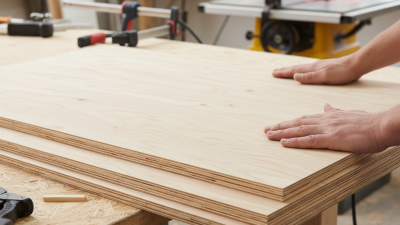
Global sourcing of baltic birch plywood requires more than comparing price lists. Buyers must examine birch quality, panel construction, certification, and supply continuity. A bright surface can hide weak inner veneers. That mistake becomes expensive.
The FAO Global Forest Resources Assessment 2020 reports that forests cover about 31% of the world’s land area. However, forest cover does not prove responsible plywood production. The Forest Stewardship Council and Programme for the Endorsement of Forest Certification provide recognized frameworks for tracing forest-based materials. Their certificates still require careful verification. Check the certificate scope, validity, and supplier identity.
The UNECE/FAO Forest Products Annual Market Review 2023–2024 describes continued volatility across forest-product markets. Energy costs, construction demand, freight conditions, and geopolitical disruption can influence panel prices and availability. Therefore, a low quotation may not represent the lowest total cost. It may exclude testing, export documentation, or replacement risk.
This guide explains how to evaluate baltic birch plywood for international procurement. It covers grade standards, veneer thickness, voids, moisture content, formaldehyde emissions, packaging, and inspection procedures. Buyers should request recent technical data sheets and independent test reports. Ask for samples from the intended production batch.
A practical check matters.
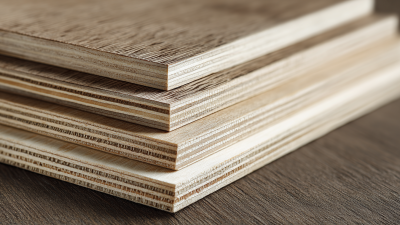
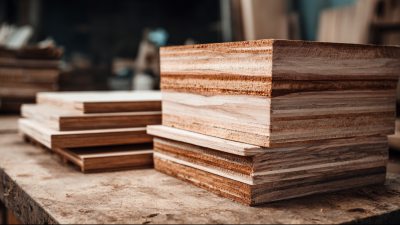
Inspect the cut edge. Count the plies. Look for gaps, overlaps, and uneven glue lines. Compare several sheets, not one perfect sample.
Some sourcing decisions remain imperfect. Supplier declarations can be incomplete, and laboratory results may not reflect every shipment. A reliable purchasing process accepts that uncertainty, records it, and reduces it through contracts, inspections, and traceable documentation.
Choosing Baltic birch plywood for global sourcing requires more than comparing prices. Grade markings describe face quality, not the entire panel. BB usually indicates a cleaner face with limited repaired knots, while CP allows more visible patches and color variation. However, grading can differ between mills and markets. Request the supplier’s written grading standard.
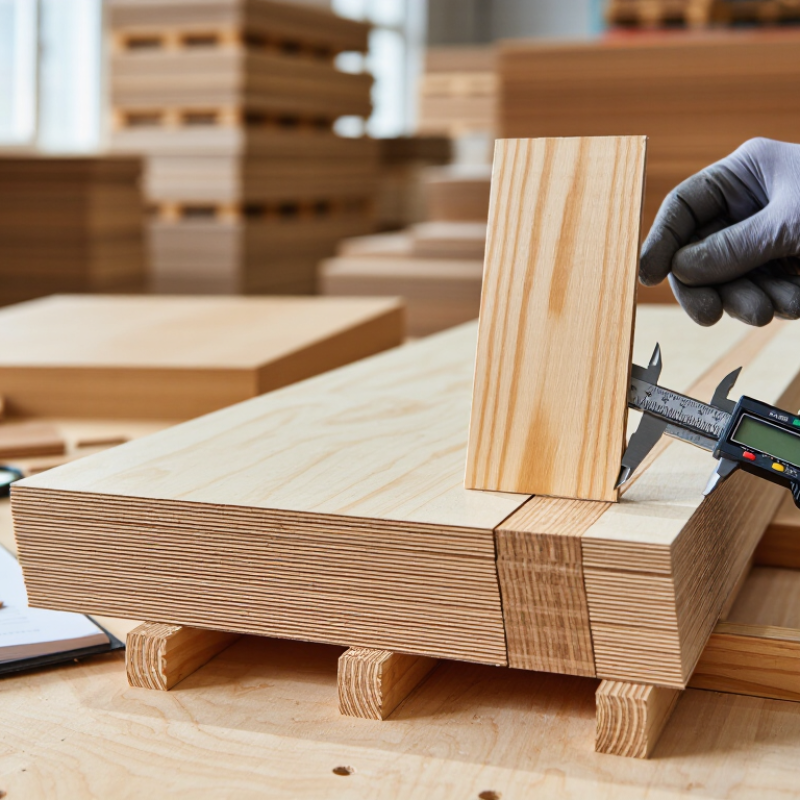
Core construction deserves equal attention. Baltic birch plywood typically uses multiple thin birch veneers, cross-banded at right angles. This structure improves stiffness and reduces warping. Count the plies on a cut edge. A 12-millimeter panel may contain nine plies, depending on production specifications. Inspect the edge for gaps, overlaps, or dark glue lines. Small voids can weaken screws and create rough cutouts. Nearly void-free is not always perfectly void-free.
For reliable sourcing, compare samples from the same thickness and grade. Check face repairs, panel flatness, edge bonding, and thickness tolerance under consistent light. Ask whether the adhesive suits dry, humid, or exterior service. Do not treat “premium” as a technical grade. That wording is vague. I would also verify test reports, packing details, and batch consistency before placing a large order. One overlooked core gap can cost more than a modest price difference. Specifications should be confirmed in writing, although that step is often rushed.
| Sourcing Dimension | Typical Option or Grade | What It Means | Core Construction and Surface Characteristics | Suitable Applications | Key Buying Checks |
|---|---|---|---|---|---|
| Face grade | B/BB | Higher visual quality on the B face, with more allowable repaired or natural features on the BB face. | Usually selected when both sides are visible or when a clean surface is needed for clear finishing. The panel is commonly made from birch veneers arranged in alternating directions. | Visible furniture parts, cabinets, shelving, shopfitting, decorative panels and premium components. | Request approved face samples, limits for knots and patches, veneer color tolerance, sanding quality and the allowed number of face repairs. |
| Face grade | BB/BB | A balanced commercial grade with similar appearance requirements on both faces. | Both sides may contain sound knots, small repaired defects or color variation within the agreed grading rules. Birch veneers normally run through the core without softwood filler layers. | General furniture, drawer parts, stools, fixtures, CNC-cut components and painted or clear-coated panels. | Confirm whether the supplier uses a written grading standard, visual reference panels and specified defect-size limits rather than relying only on the grade name. |
| Face grade | BB/CP | A better-looking BB face is combined with a CP face that permits more visible repairs and natural defects. | The front face is intended for visible use, while the reverse face is generally selected for functional performance rather than appearance. | Cabinet backs, workbench parts, packaging components, painted assemblies and products with one concealed side. | Define which side is the front, specify the permitted open defects, and check whether repaired areas are flush and suitable for machining or coating. |
| Face grade | CP/CP | A utility-oriented appearance grade with more visible knots, patches and color variation than B/BB or BB/BB. | The all-birch construction may still provide a stable, strong panel, but the faces usually require painting, laminating or concealment. | Crating, concealed furniture parts, industrial fixtures, transport components and painted applications. | Ask for defect limits, repair material requirements, sanding tolerances and photographs of both faces from representative production lots. |
| Grade terminology | B, BB, CP and C designations | These letters are widely used in international trade, but the exact defect limits can differ by mill, standard and contract. | Grade labels describe face appearance more than structural performance. They do not by themselves confirm bonding class, emissions, moisture resistance or thickness tolerance. | Any application where appearance, machining behavior and panel strength must be evaluated separately. | Put the applicable standard, face limits, core requirements, adhesive class and inspection method into the purchase specification. |
| Core construction | Multi-ply all-birch core | The panel is manufactured from multiple birch veneer layers rather than a mixed softwood or particleboard core. | Thin veneers are cross-laminated, normally with adjacent layers oriented approximately 90 degrees apart. This construction supports good screw holding, edge machining and dimensional stability. | CNC parts, furniture, jigs, templates, work surfaces, drawers and applications requiring exposed machined edges. | Check the veneer species, core gaps, overlaps, joints, internal patches, glue-line continuity and cross-section of a cut sample. |
| Core construction | Void-free or low-void core | A core manufactured with tightly fitted veneers and controlled repairs, minimizing open gaps inside the panel. | Reduces the risk of edge blowout, weak screw engagement and visible cavities after cutting. “Void-free” should be treated as a defined inspection requirement, not an assumed feature of every panel. | Exposed edges, precision routing, structural furniture parts and components requiring repeated fastening. | State the maximum permitted core gap and inspection method; inspect freshly cut edges from multiple areas of the sheet. |
| Common thickness | 6 mm | A lightweight panel commonly manufactured with approximately five veneer plies, subject to the supplier’s construction. | Useful for drawer bottoms, backs, light partitions and thin CNC components. The actual finished thickness must be checked against the ordered tolerance. | Lightweight furniture components, model parts, packaging inserts and interior panels. | Verify actual thickness, flatness, edge quality and whether the product will remain rigid over the required span. |
| Common thickness | 12 mm | A frequently specified medium-thickness panel, often constructed with approximately nine plies. | Provides a useful balance of stiffness, weight and machining performance for many furniture and industrial components. | Shelves, drawer boxes, fixtures, cabinets, templates and CNC-machined parts. | Confirm the ply count, thickness tolerance, panel weight and bending or flatness requirements for the finished design. |
| Common thickness | 18 mm | A widely used structural furniture thickness, often manufactured with approximately thirteen plies. | The greater number of cross-laminated veneers improves stiffness and provides a clean, machinable edge when the core is well constructed. | Worktops, tables, shelves, benches, cabinets, production jigs and heavy-duty furniture. | Check finished thickness, moisture content, flatness, edge splitting and whether the panel meets the required load or span design. |
| Bonding performance | Interior or dry-use bonding | Intended for environments where prolonged moisture exposure is not expected. | The panel may have strong dry-condition performance but is not automatically suitable for exterior, wet or high-humidity service. | Indoor furniture, retail fixtures, cabinetry and dry packaging applications. | Request the declared bonding classification and avoid using a face grade as evidence of moisture resistance. |
| Bonding performance | Exterior or moisture-resistant bonding | Specified for applications exposed to humidity or intermittent moisture, subject to the applicable product standard. | Moisture-resistant bonding does not make the untreated panel waterproof; edges, coatings, design and installation still affect service life. | Interior areas with humidity variation, covered outdoor components and applications requiring improved bond durability. | Specify the required standard, adhesive class, boil or soak test where applicable, edge sealing and intended exposure conditions. |
| Panel format | Standard sheet dimensions | Common international formats include 1220 × 2440 mm and 1250 × 2500 mm, although available sizes vary by market and mill. | Larger sheets can improve cutting yield, while smaller formats may reduce handling and freight complexity. | Furniture production, CNC nesting, industrial fabrication and project-based procurement. | Compare usable cutting area, squareness, dimensional tolerance, pallet configuration and container loading efficiency. |
| Compliance and logistics | Technical documentation and shipment control | A sourcing decision should include product specifications, test reports, packing details and traceable batch information. | Panel quality can be affected by moisture during storage and transport. Properly protected, flat-stacked pallets help reduce warping and damage. | Cross-border procurement, recurring production programs and regulated end markets. | Confirm origin documentation, applicable emissions requirements, product certificates, pallet moisture protection, packing strength and pre-shipment inspection criteria. |
Note: Baltic birch plywood grade names and defect limits are not fully uniform across all suppliers and markets. Always approve a written specification, representative samples and inspection tolerances before placing a global purchase order.