How to Choose the Best Hardwood Plywood for Your Next Project
When embarking on a woodworking project, selecting the right materials can make all the difference in the outcome. Among the various options available, hardwood plywood stands out due to its durability, versatility, and aesthetic appeal. As renowned woodworking expert Sarah Thompson once stated, “The right choice of hardwood plywood not only enhances the structural integrity of your project but also elevates its visual appeal.”
In today's marketplace, the variety of hardwood plywood options can be overwhelming. From different species of wood to varying thicknesses and grades, understanding what to look for is crucial for both amateur and professional woodworkers alike. Diving deep into the properties and benefits of hardwood plywood helps in making informed decisions that align with your project's specific needs.
In this guide, we will explore key factors to consider when choosing hardwood plywood, enabling you to achieve the ideal balance of quality and value for your next creative endeavor. Whether you’re building furniture, cabinetry, or decorative elements, knowing how to select the best hardwood plywood can greatly impact the success of your project.
Understanding Different Types of Hardwood Plywood Available in the Market
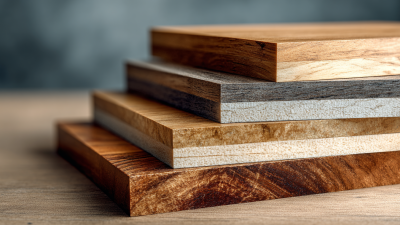
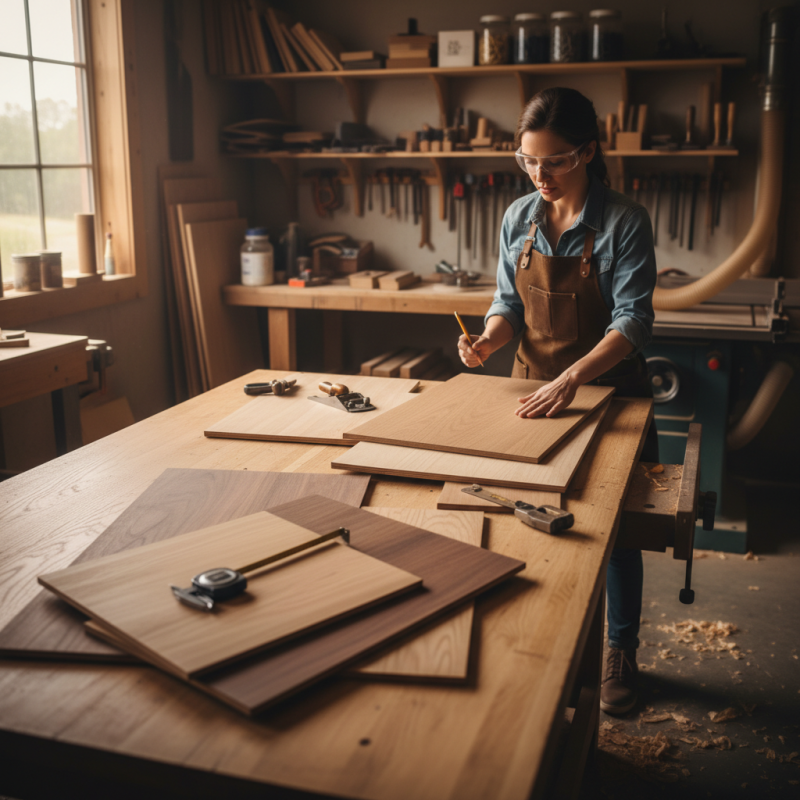
When embarking on a woodworking project, understanding the different types of hardwood plywood available in the market is crucial. Hardwood plywood is typically categorized into two primary types: veneered panels and solid-core panels. Veneered panels consist of a thin layer of hardwood veneer adhered to a core material, such as MDF or particleboard, which offers an economical solution while maintaining an attractive wood appearance. According to the Hardwood Plywood and Veneer Association, the demand for veneered panels surged by approximately 15% in the past few years, indicating their popularity among DIY enthusiasts and professionals alike.
Solid-core panels, on the other hand, comprise layers of actual hardwood that provide greater durability and structural integrity. These panels are favored for applications where strength and stability are paramount, such as cabinetry and furniture-making. Industry reports suggest that the solid-core hardwood plywood market is projected to grow by over 20% in the next five years, attributed to the rise in custom woodworking and high-quality furniture production. Understanding these distinctions allows woodworkers to select the suitable plywood based on the specific requirements of their projects, whether it be for aesthetic appeal, cost efficiency, or structural performance.
Evaluating the Quality and Grade of Hardwood Plywood for Durability
When choosing hardwood plywood for your project, evaluating its quality and grade is crucial for ensuring durability. Hardwood plywood is typically categorized into grades ranging from A to D, with grade A being the highest quality. According to the Hardwood Plywood and Veneer Association (HPVA), high-grade plywood exhibits minimal defects, providing a smoother surface that is ideal for finishing. Specifically, grade A plywood features a wood surface with no knots, tight grain patterns, and a consistent color, making it a preferred choice for visible surfaces in high-end furniture.
Beyond the visual appearance, the structural integrity of hardwood plywood significantly contributes to its durability. The American Plywood Association (APA) suggests that using plywood with a thicker veneer can bolster strength and stability, reducing the likelihood of warping or splitting. For instance, a study found that plywood with at least a 1/8-inch face veneer resulted in improved performance under various environmental conditions compared to thinner alternatives. Additionally, the adhesive used in plywood production plays a vital role; water-resistant adhesives significantly increase the longevity of the material, particularly in humid or outdoor settings, ensuring that your investment remains sound over time.
How to Choose the Best Hardwood Plywood for Your Next Project - Evaluating the Quality and Grade of Hardwood Plywood for Durability
| Grade |
Thickness (inches) |
Wood Species |
Durability Rating |
Common Uses |
| A |
0.75 |
Oak |
High |
Furniture, Cabinets |
| B |
0.5 |
Maple |
Medium |
Cabinets, Shelving |
| C |
0.75 |
Birch |
Medium |
Flooring, Paneling |
| D |
0.625 |
Pine |
Low |
Craft Projects, Lightweight Furniture |
Assessing the Thickness and Size Options for Your Project Needs
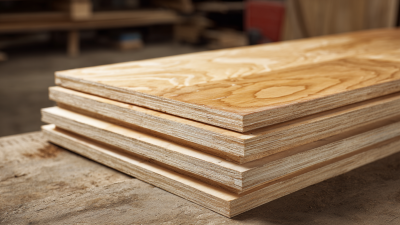
When selecting hardwood plywood for your project, assessing the thickness and size of the sheets is critical to achieving the best results. The thickness of plywood typically ranges from 1/4 inch to 1 inch, and the choice largely depends on the intended use.
For structural applications, such as subflooring or cabinetry, thicker plywood offers greater strength and durability.
Conversely, thinner sheets are suitable for applications where flexibility is essential, like in crafting intricate shapes or decorative features.
Size options for hardwood plywood come standard in 4x8 foot sheets, but understanding the dimensional requirements of your project can guide you in making the best choice. Always consider the scale of your project; larger surfaces might benefit from fewer seams, making full sheets more desirable.
However, for smaller projects, you might opt for pre-cut sizes to minimize waste and simplify handling. Evaluating the specific needs of your construction or crafting endeavor, including both thickness and size, will ensure you select the optimal plywood to support your design's integrity and aesthetics.
Comparing Price Points: Finding Affordable Yet High-Quality Plywood
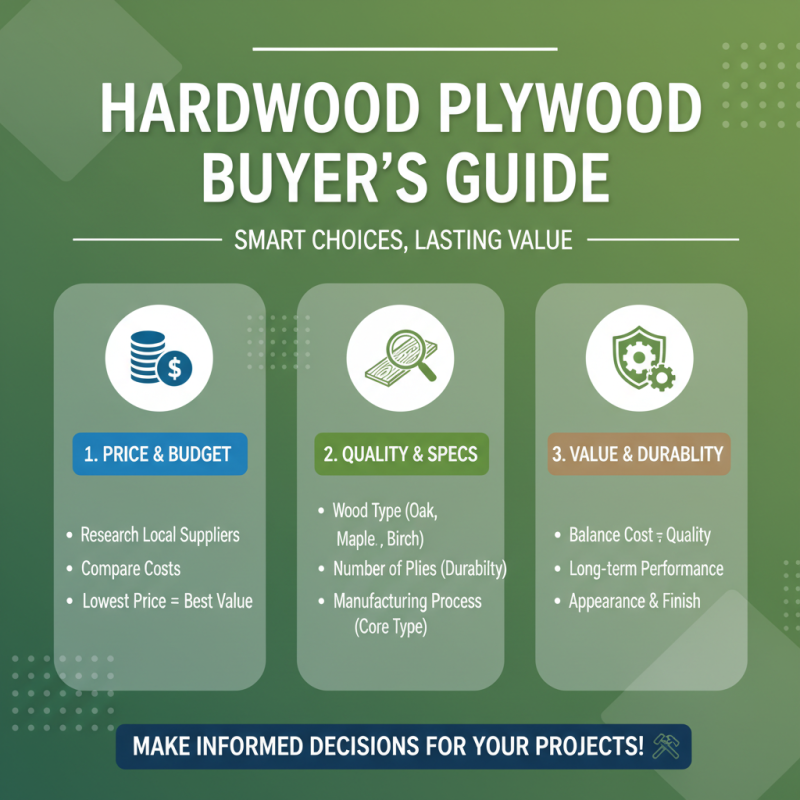
When it comes to selecting the right hardwood plywood for a project, one of the most critical factors to consider is the price point. While affordability is important, finding high-quality plywood that fits within your budget can be a challenge. Start by researching local suppliers and comparing prices, but remember that the lowest price may not always provide the best value. It’s essential to assess the specifications of the plywood, such as the type of wood used, the number of plies, and the manufacturing process, as these elements significantly impact both durability and appearance.
To ensure you are getting the best deal, consider purchasing plywood in larger quantities or seeking out end-of-line sales from distributors. Many suppliers offer discounts for bulk orders, and occasional sales can provide excellent opportunities to purchase high-quality materials at reduced prices. Additionally, it’s wise to read reviews or seek recommendations on specific types of plywood that balance cost and quality effectively. Evaluating these aspects carefully will help you strike the right balance between affordability and durability, ensuring your next project is a success without overspending.
Identifying Sustainable Sources for Environmentally-Friendly Hardwood Plywood
When selecting hardwood plywood for your next project, considering the sustainability of its sources is crucial. The environmental impact of timber sourcing has gained significant attention, and opting for plywood that comes from responsibly managed forests can greatly reduce your ecological footprint. Look for certifications from recognized organizations that ensure wood is harvested in a sustainable manner. This includes practices that promote reforestation, preserve biodiversity, and support the rights of local communities.
In addition to certified products, researching the origins of the plywood can provide insight into its sustainability. Choosing plywood made from domestically sourced timber can often be more environmentally friendly, as it typically involves shorter transportation distances, reducing carbon emissions. Moreover, engaging with suppliers who are transparent about their sourcing practices can help ensure that you're making a conscious choice.
By prioritizing environmentally-friendly hardwood plywood, you not only support sustainable forestry practices but also contribute to a healthier planet.