Why Choose Baltic Plywood for Your Next Project?
When considering materials for your next project, Baltic plywood stands out for its unique qualities. Renowned expert, John Smith, once stated, "Baltic plywood offers unmatched durability and aesthetic appeal." This type of plywood is sourced from the northern forests, incorporating a blend of birch and pine, which gives it strength.
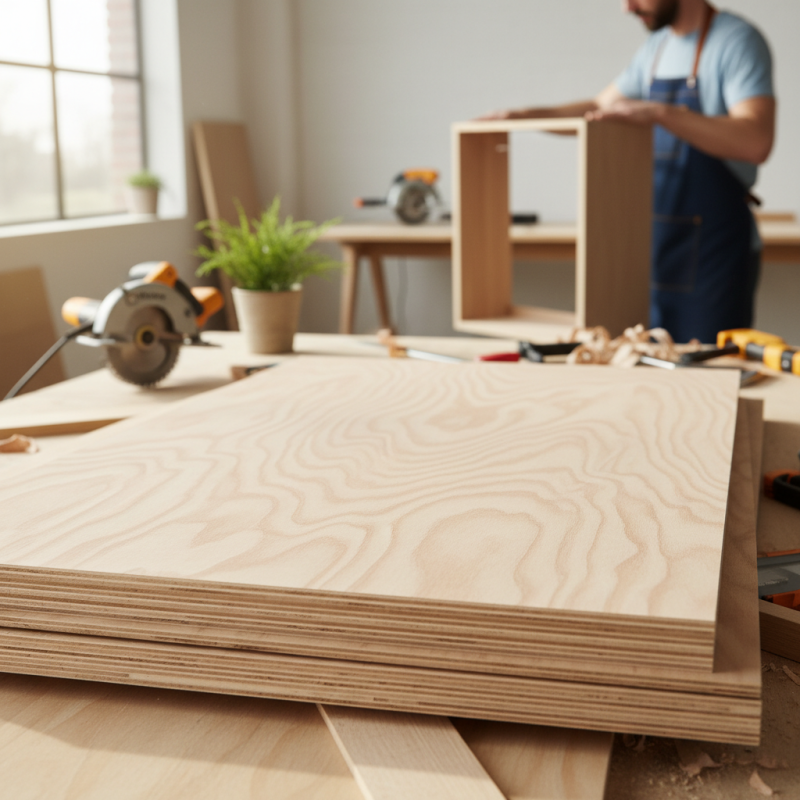
Baltic plywood is known for its smooth surface and fine grain. This makes it perfect for furniture, cabinetry, and more. Many projects utilize Baltic plywood because it withstands wear over time. Its resistance to warping makes it a reliable choice.
Yet, not all Baltic plywood is created equal. Some products can vary in quality. It's essential to choose a reputable supplier. Consider the impact of your choice. Are you prioritizing sustainability? Baltic plywood can be an eco-friendly option if sourced responsibly.
Benefits of Baltic Plywood in Construction and Design
Baltic plywood is emerging as a popular choice in construction and design projects. Its notable strength makes it ideal for structural applications. This type of plywood offers high resistance to moisture, which is vital for long-lasting constructions. Contractors appreciate it for its even surface and smooth finish. These features help achieve a professional look in any project.
The aesthetic appeal of Baltic plywood cannot be overlooked. It has a beautiful grain pattern that enhances any design. Whether used for furniture, cabinetry, or wall panels, it adds warmth and character to spaces. People often underestimate how an attractive material can transform a room. However, maintaining its beauty requires care and attention.
Many designers face challenges when working with this material. Its weight can be a concern, particularly in larger projects. Some users find it difficult to cut precisely without proper tools. Additionally, due to its high-quality nature, Baltic plywood can be pricier than alternatives. This raises questions about budget planning in larger projects. Balancing quality and cost is essential to making informed decisions.
Unique Properties of Baltic Plywood Compared to Other Materials
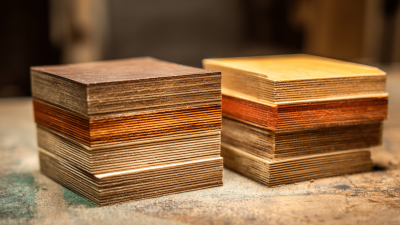
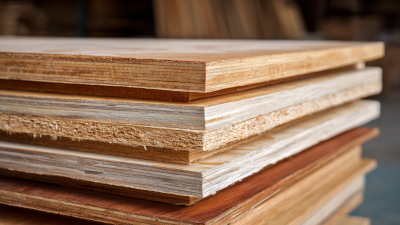
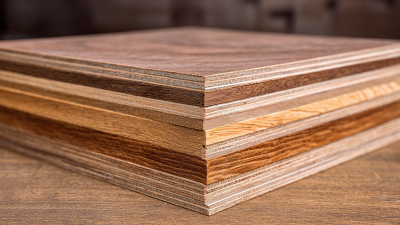
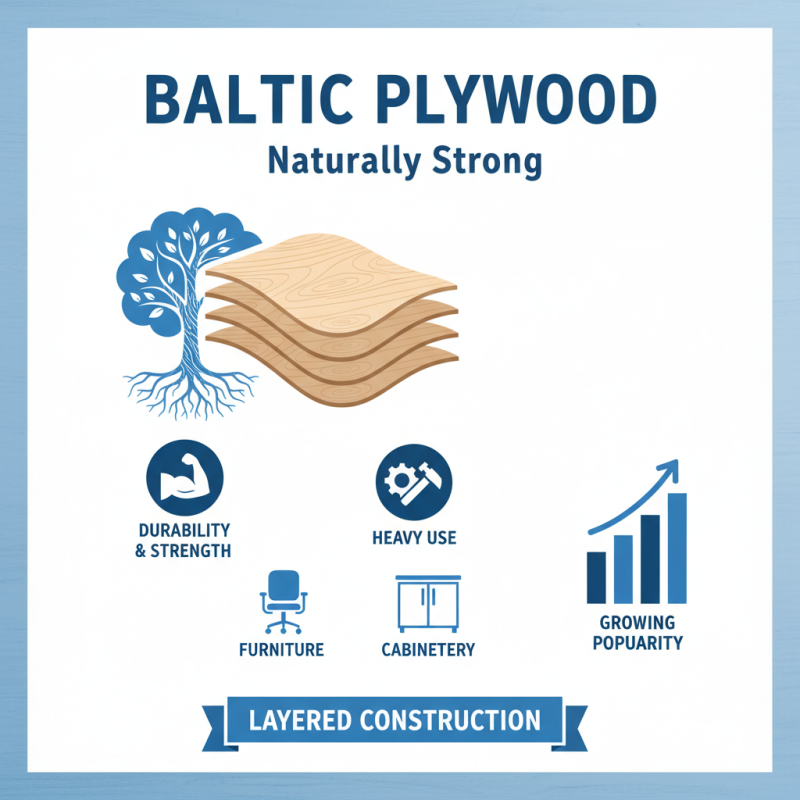
Baltic plywood is gaining popularity for various construction projects. Its unique properties set it apart from other materials. Known for its durability, Baltic plywood withstands wear and tear. The layered construction adds strength, making it ideal for heavy use. It is often favored for furniture and cabinetry.
One interesting aspect of Baltic plywood is its resistance to moisture. Unlike many other wood products, it does not warp easily. This quality can be crucial in humid environments. However, proper sealing is still necessary to enhance longevity. Some users may overlook this detail, leading to potential issues.
The appearance of Baltic plywood is also noteworthy. It features a fine grain and smooth surface. This makes it suitable for both functional and aesthetic applications. However, achieving a perfect finish can be challenging. It requires skill and experience to avoid imperfections. Not everyone may achieve the desired look, but that’s part of the learning process.
Sustainability and Environmental Impact of Baltic Plywood
Baltic plywood stands out due to its sustainable characteristics. Sourced from well-managed forests, it effectively promotes biodiversity. The harvesting methods used minimize environmental disruption. This balance between utility and conservation is crucial.
Produced using renewable timber, Baltic plywood is not only durable but also recyclable. The materials can fit into various projects, from construction to furniture. However, one must ensure responsible sourcing. Some demand for timber could risk unsustainable practices if not monitored closely.
Using Baltic plywood encourages a circular economy. Its production uses less energy compared to other materials. The lightweight nature also reduces transportation emissions. Yet, it is essential to reflect on regional impacts. Local ecosystems must be preserved, even while enjoying the benefits of this versatile material.
Why Choose Baltic Plywood for Your Next Project? - Sustainability and Environmental Impact of Baltic Plywood
| Property |
Description |
Environmental Impact |
| Sourcing |
Sourced from sustainably managed forests in the Baltic region |
Promotes reforestation and biodiversity |
| Production Process |
Utilizes efficient techniques that minimize waste |
Reduces carbon footprint and resource consumption |
| Durability |
Highly resistant to deformation and moisture |
Longer lifespan reduces need for replacement |
| Biodegradability |
Made from natural wood material |
Fully biodegradable, minimizing landfill impact |
| Certifications |
Often certified by organizations such as PEFC or FSC |
Ensures responsible forest management |
Applications and Versatility of Baltic Plywood in Various Industries
Baltic plywood stands out for its versatility across various industries. Its unique properties make it suitable for both structural and aesthetic applications. In construction, it is often used for flooring, walls, and even roofs. This type of plywood is durable and resistant to moisture, making it ideal for demanding environments. However, one must handle it carefully during installation to avoid damage.
In furniture design, Baltic plywood shines as a lightweight yet sturdy material. It can be shaped into intricate designs and used in cabinetry, tables, and chairs. The natural wood grain provides a warm aesthetic that appeals to many. However, achieving a flawless finish may require practice and patience. Craftsmen often need to experiment with finishing techniques to highlight its beauty.
The use of Baltic plywood in packaging also highlights its practicality. It protects products while being environmentally friendly. Nevertheless, companies sometimes overlook proper sourcing, impacting sustainability efforts. It’s essential to ensure that the plywood is sourced responsibly. This awareness can lead to better practices and a positive impact on the environment.
Applications and Versatility of Baltic Plywood in Various Industries
Tips for Selecting and Working with Baltic Plywood in Projects
When selecting Baltic plywood for your project, consider its unique characteristics. Baltic plywood is renowned for its stability and strength. This strong foundation helps prevent warping. It is made from birch veneers, which contribute to its durability. This material is often chosen for both structural and aesthetic purposes.
Working with Baltic plywood requires some technique. Always ensure proper cutting methods to maintain clean edges. This will avoid issues during assembly. The weight of the plywood can be a consideration, especially for larger projects. Reports indicate that Baltic plywood can weigh between 50 to 75 lbs per sheet, depending on thickness. This can affect handling during construction.
Finishing is another important aspect. Choose the right type of paint or varnish to enhance its appearance. Not every finish works well with plywood. Some finishes can raise the grain, making it rough. Sanding after the first coat could help achieve a smoother result. Remember, even experienced carpenters face challenges. It's essential to learn from these setbacks for future projects.