
China has become a major sourcing base for Bracelet Fitness Tracker products. Its suppliers serve private-label brands, retailers, gyms, and health-focused technology companies worldwide. Yet choosing a reliable factory requires more than comparing catalog prices.
Dr. Eric Topol, a leading digital health expert, described the smartphone as “the stethoscope of the future.” His observation also fits wearable devices. A useful tracker should turn daily movement, heart-rate trends, sleep patterns, and workout data into understandable information. The hardware must remain comfortable during long use. The screen should stay readable under bright sunlight. Charging should not become a daily frustration.
This guide examines ten notable Chinese suppliers and manufacturers. It considers product quality, sensor capabilities, software support, customization, production capacity, certifications, communication, and after-sales service. Sample testing matters. So does checking battery performance after repeated charging cycles. A polished sample can hide inconsistent mass production. That risk deserves attention.
No ranking is permanent. Market positions change quickly. Some suppliers excel at low-volume customization, while others suit larger orders. A factory with impressive specifications may still lack dependable firmware support. That is an uncomfortable but important limitation.
The selected companies should therefore be treated as potential partners, not automatic winners. Buyers should verify test reports, minimum order quantities, app ownership, data practices, and delivery records. Careful comparison can reduce costly surprises and reveal which Bracelet Fitness Tracker supplier truly matches a brand’s users, budget, and long-term goals.
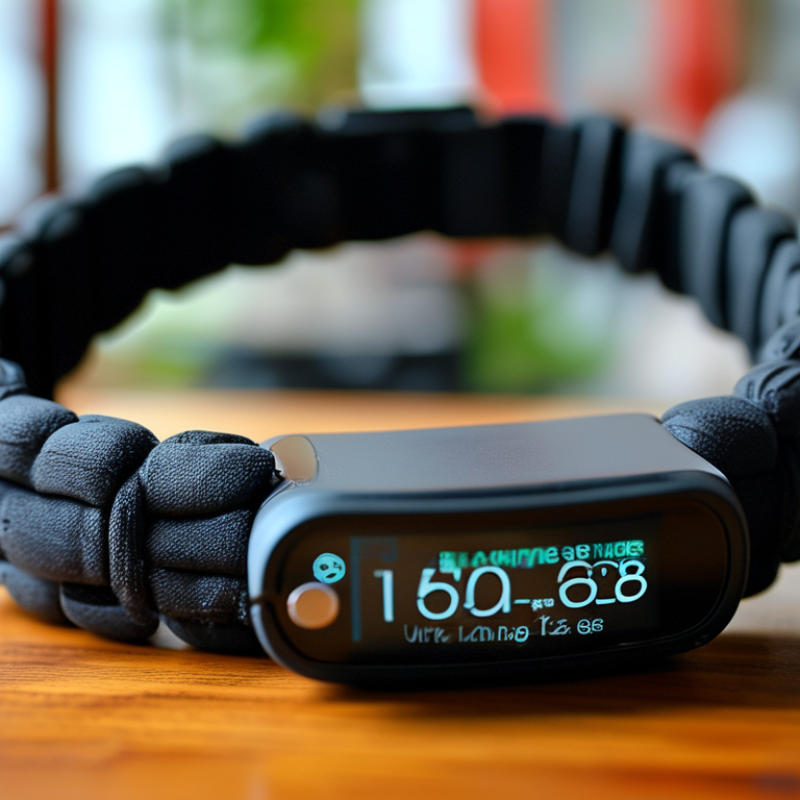
Choosing China’s top 10 bracelet fitness tracker suppliers should begin with evidence, not glossy catalogs. A reliable supplier provides working samples, a clear factory address, and traceable production records. Ask whether the same team manages prototyping, firmware testing, assembly, and quality inspection. Experience matters here. A low sample price can hide expensive revisions later.
Technical competence separates a dependable supplier from a trading company with limited control. The supplier should explain sensor calibration, battery protection, waterproof testing, and app compatibility in practical terms. Request test reports, inspection records, and production photos with dates. Check skin-contact materials carefully. Confirm how user data is protected and stored. Claims without documents deserve caution. Independent verification is stronger.
Communication also reveals reliability. Strong suppliers answer technical questions directly and report delays before they become urgent. They should define minimum order quantities, delivery schedules, defect allowances, warranty handling, and replacement procedures. Speak with recent customers when possible. Review several production batches, not one perfect sample. No supplier is flawless. A factory may pass inspection yet struggle with firmware updates or packaging consistency. That weakness should be discussed openly. Honest limitations are often more valuable than confident promises. A written quality agreement can protect both sides and reduce disputes during mass production.

This procurement benchmark highlights practical reliability indicators for bracelet fitness tracker suppliers: protection against water and dust, warranty coverage, production flexibility, delivery efficiency, and after-sales response speed. Higher values indicate stronger purchasing readiness.
China Top 10 Bracelet Fitness Tracker Suppliers?
China’s leading ten bracelet fitness tracker suppliers differ more by capability than factory size. IDC reported 537.6 million wearable devices shipped worldwide in 2024, showing strong demand for affordable wrist devices. Basic models usually offer step counting, heart-rate tracking, sleep estimates, and notification alerts. Better-equipped suppliers add AMOLED displays, multi-constellation positioning, NFC modules, and water-resistance testing. Some provide full ODM support, from wristband molds to mobile applications. Others mainly assemble standard designs.
The comparison should examine production depth, not only quoted prices. Suppliers with automated testing can verify charging cycles, sensor output, Bluetooth stability, and strap durability before shipment. Counterpoint Research reported renewed growth in China’s smartwatch market during 2024, increasing pressure on suppliers to shorten development cycles. Yet inexpensive sensors may produce inconsistent readings during movement. That matters.
Ask for ISO 9001 documentation, battery safety records, firmware update procedures, and transparent sampling data. Suppliers serving international buyers should also explain privacy controls and regional compliance preparation. In my experience, a polished prototype proves little without a repeatable pilot run. One supplier may offer excellent hardware but weak app localization. Another may provide responsive software but limited monthly capacity. Production audits, sample comparisons, and written quality targets remain essential. The ranking changes according to order volume, target market, customization depth, and after-sales expectations.
When evaluating China’s top bracelet fitness tracker suppliers, look beyond polished catalog photos.
Compare heart-rate accuracy, step counting, sleep tracking, and workout detection under real conditions.
A reliable supplier should explain sensor placement, sampling rates, and testing methods clearly.
Measure the details. Request samples in different wrist sizes and test them during walking, cycling, sweating, and overnight use.
Battery life needs practical verification. A claimed ten-day battery may become five days with continuous heart-rate monitoring and frequent notifications. Check charging time, battery capacity, water-resistance testing, screen brightness, and operating temperature.
Blood oxygen readings should be presented as wellness information, not medical diagnosis.
Ask for test reports, quality-control records, and traceability for key components.
Certification documents should be current and independently verifiable.
Customization can include strap materials, case colors, screen layouts, packaging, firmware, languages, and mobile-app functions.
For connected products, examine Bluetooth stability, data encryption, update procedures, and SDK or API support.
Confirm minimum order quantities, sample fees, mold ownership, lead times, and inspection standards in writing.
A supplier that answers slowly may create expensive delays later.
One easy mistake is trusting one successful sample. Production batches can differ. Recheck random units before shipment, because reliability is built through repeated evidence, not confident promises.
A reliable top-ten supplier list should measure factories, not only online rankings. IDC reported 537.7 million wearable devices shipped worldwide in 2024, showing strong demand for stable production. Grand View Research also expects continued growth in the global fitness tracker market. Suppliers should provide ISO 9001 quality systems, RoHS and REACH material compliance, and documented battery safety tests. Wireless models may require FCC, CE, UKCA, or other destination-market approvals. Medical claims require stricter controls, often including ISO 13485 and clinical evidence.
Pricing depends on sensors, display type, app development, packaging, and testing. Basic private-label bracelets commonly range from 8 to 18 US dollars at medium volume. Advanced models with AMOLED screens, GPS, or improved optical sensors may exceed 25 dollars. These figures are practical sourcing estimates, not fixed quotations.
A supplier should state the minimum order quantity, usually 500 to 3,000 units, and explain tooling, samples, firmware changes, and payment terms. Ask for a pre-production sample.
Order documents matter. Request a factory audit, recent test reports, calibration records, and a component list. Confirm whether the quoted price includes packaging, export cartons, and replacement units. A 2024 Counterpoint Research wearable report highlighted intense price competition in the category, but low pricing can hide weak sensors or short battery life. One weakness remains: many supplier pages show certificates without matching model numbers. Verify every document directly. Test skin contact, charging temperature, step accuracy, and Bluetooth stability before placing a larger order.
Choosing among China’s top ten bracelet fitness tracker suppliers requires more than comparing prices. A reliable supplier should provide working samples, clear specifications, and traceable quality records. Request battery-cycle results, sensor accuracy data, waterproof test reports, and firmware update procedures. Check whether the supplier controls production or relies heavily on subcontractors. Factory photos are not enough.
I once overvalued a polished sample and ignored slow technical replies. That mistake delayed testing. Ask for a sample with your preferred wrist size, screen layout, app language, and packaging details. Confirm minimum order quantity, tooling fees, lead time, warranty handling, and replacement procedures in writing. A capable engineering team should explain sensor limitations honestly. Perfect readings are rarely realistic.
Tips: Test at least three samples. Compare sleep data, step counts, charging time, and Bluetooth stability during daily use. Review data protection practices and regional compliance documents before placing a large order. Ask for a small pilot batch. It reveals packing errors, inconsistent assembly, and software problems early. Keep communication records, inspection criteria, and approved samples together. Suppliers may promise flexibility, but production pressure can change the result. Expect to revise your checklist after testing.

Signup our newsletter to get update information, promotion or insight.