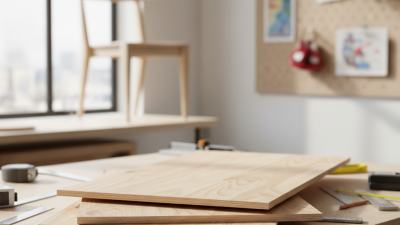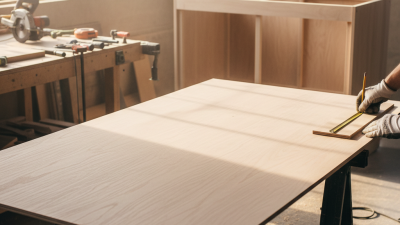
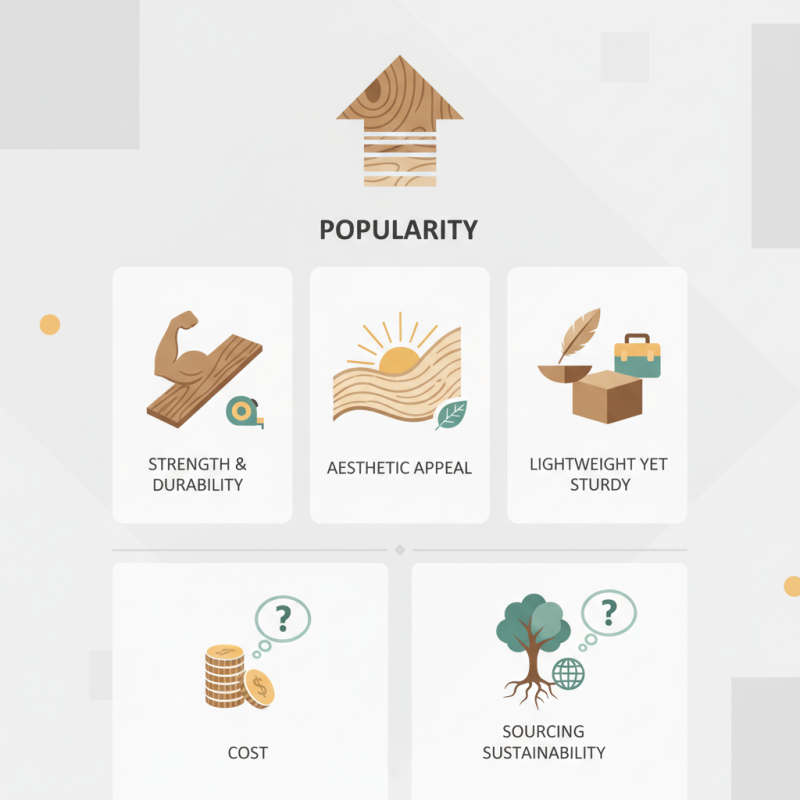
Birch plywood has gained significant popularity in recent years. Its unique properties make it an ideal choice for various applications. People appreciate its strength, durability, and aesthetic appeal.
The fine, even grain of birch plywood adds warmth to any project. This material is lightweight yet sturdy, allowing for versatile uses. Craftsmen and designers often choose birch plywood for furniture and cabinetry. It stands out for both residential and commercial projects.
However, its rise in popularity brings questions. Is birch plywood always the best choice? Some may find it too expensive compared to alternatives. Others might worry about sourcing sustainability. These reflections can guide better decision-making regarding material choices.
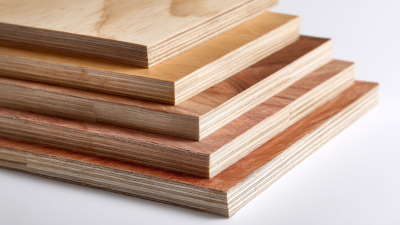
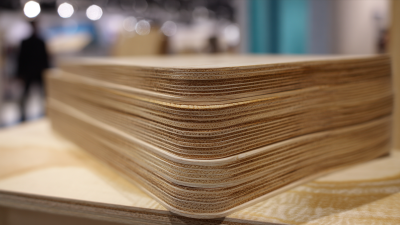
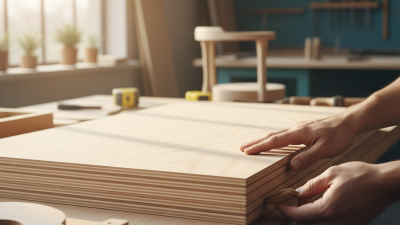
Birch plywood is a versatile building material known for its unique properties. This plywood is made from layers of birch veneers that are glued together. The layers are oriented in different directions. This cross-banding technique gives birch plywood strength and stability. Each sheet often consists of 5 to 15 layers, depending on the manufacturer. The outer layers showcase a smooth grain, adding an appealing finish.
The composition of birch plywood includes both softwood and hardwood. The core layers are usually made from softwoods, while the surface layers are crafted from birch. This combination contributes to its durability and resistance to wear and tear. Birch plywood is lightweight but strong, making it easy to handle. However, some may find that it is prone to moisture damage if not sealed properly.
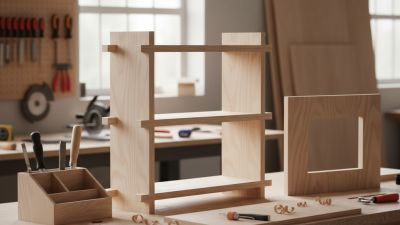
In the woodworking community, birch plywood is favored for furniture, cabinetry, and decorative projects. Its light color can brighten spaces, providing a modern look. Nevertheless, finding high-quality sheets can be challenging. Variations in quality may lead to inconsistencies in the final product, prompting careful inspection before purchase. The allure of birch plywood lies not just in its beauty, but also in its complexity.
Birch plywood is renowned for its strength and aesthetic appeal. Understanding its manufacturing process reveals why it's so revered. The journey begins with selecting high-quality birch logs. These logs undergo debarking and cutting into thin veneers. Each veneer is carefully inspected for flaws.
The next step involves stacking these veneers in layers, usually at right angles to each other. This cross-lamination enhances strength and stability. A strong adhesive binds the layers together, making the plywood durable. It is then pressed under high heat and pressure, ensuring a solid bond. The final product is often sanded for a smooth finish.
**Tips:**
When working with birch plywood, consider using a sharp saw blade for cleaner cuts. This reduces splintering and ensures precision. Also, remember that storing the plywood in a dry place is crucial. Moisture can warp the material over time. Embracing these nuances in handling birch plywood can enhance your project outcomes significantly.
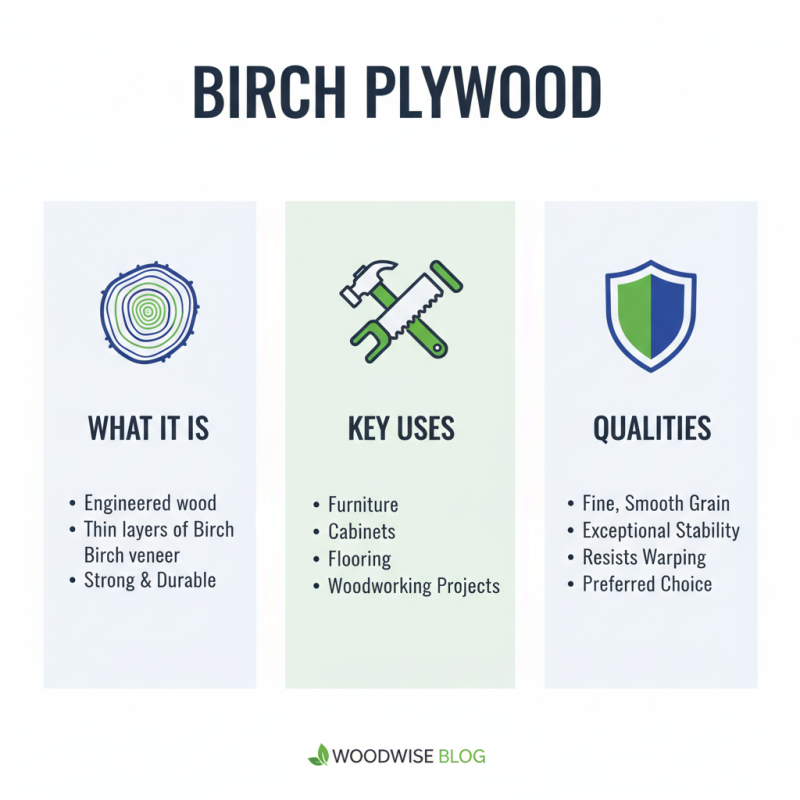
Birch plywood is a type of engineered wood made from thin layers of birch veneer. It's popular for its strength and durability. Its fine grain and smooth surface make it ideal for furniture, cabinets, and flooring. Birch plywood is known for its stability, reducing the risk of warping over time. This quality makes it a preferred choice for many woodworking projects.
One key property is its aesthetic appeal. The light color and nice texture of birch give a warm and inviting feel to any space. When polished, it stands out with a natural shine. This quality is especially appealing in modern and minimalist designs. Birch plywood adapts well to various finishes, enhancing its versatility.
Tips: When working with birch plywood, always consider the environment. Excessive sanding can lead to a dull finish. Instead, use finer grit sandpaper for a smoother result. Also, keep in mind the grain direction during assembly. This helps in maintaining uniformity across your project. Reflecting on these practices can elevate the final outcome.
Birch plywood is increasingly popular among designers and builders. Its strength and flexibility make it a go-to choice for various applications. According to a report from the Wood Products Council, birch plywood accounts for about 23% of the global plywood market. This can be attributed to its versatility in furniture, cabinetry, and flooring.
In furniture design, birch plywood is often used for its aesthetic appeal. Its smooth surface allows for high-quality finishes. Recent industry surveys indicate that more than 40% of furniture manufacturers prefer birch plywood for its durability. However, the environmental impact of sourcing birch wood raises questions. Responsible sourcing remains a concern in the industry.
Birch plywood finds a place in both residential and commercial projects. Doors, countertops, and shelving units are common uses. Data suggests that about 30% of architects choose birch plywood for their designs. Yet, some challenges exist. Not all birch plywood is created equal; variations in quality can affect the final product. Designers must consider these factors when selecting materials.
Birch plywood has gained immense popularity in recent years. Its unique characteristics and aesthetic appeal draw attention. One major factor is its durability. Birch plywood boasts a high strength-to-weight ratio, making it ideal for various applications. According to a report by Allied Market Research, the global plywood market is projected to reach $80 billion by 2025, with birch plywood being a significant contributor.
Another reason for its popularity is its versatility. Birch plywood works well in furniture design, construction, and cabinetry. It is easy to cut and shape, allowing for creative freedom. The smooth surface also takes stains and finishes exceptionally well. Furthermore, birch's unique grain pattern adds a touch of elegance to any project. The versatility allows designers to experiment but may lead to over-reliance on a single material.
Sustainability plays a vital role too. Birch trees grow relatively quickly, making them a renewable resource. However, sourcing practices can vary, leading to concerns about ecological impact. Many consumers prefer eco-friendly options, resulting in increased demand for responsibly sourced birch plywood. Balancing quality and ethical considerations remains crucial for manufacturers. As the industry evolves, the quest for sustainable practices in birch plywood production will continue.

Signup our newsletter to get update information, promotion or insight.