Best Finished Plywood Options for Global Buyers?
The demand for finished plywood continues to rise globally, driven by its versatility in construction and furniture design. According to industry reports, the global plywood market is projected to reach USD 80 billion by 2026. Finished plywood stands out for its superior quality and aesthetic appeal, making it a preferred choice for architects and designers.
However, sourcing the best finished plywood can be challenging. Buyers must consider factors such as thickness, grade, and finish. For instance, marine-grade plywood offers exceptional water resistance, while hardwood veneer plywood adds elegance to interior spaces. Some manufacturers may promise higher quality but fail to deliver, leading to potential discrepancies in product expectations.
Understanding regional variations in plywood production is crucial. While some areas excel in Birch or Maple finishes, others specialize in advanced manufacturing techniques. This disparity creates both opportunities and challenges for global buyers. Being informed about these nuances can help navigate the market more effectively when selecting finished plywood options.
Overview of Finished Plywood Types Available for Global Markets
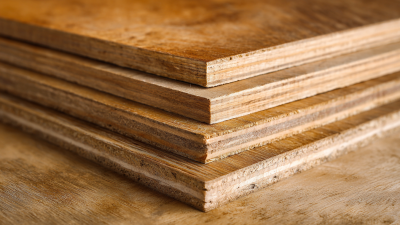
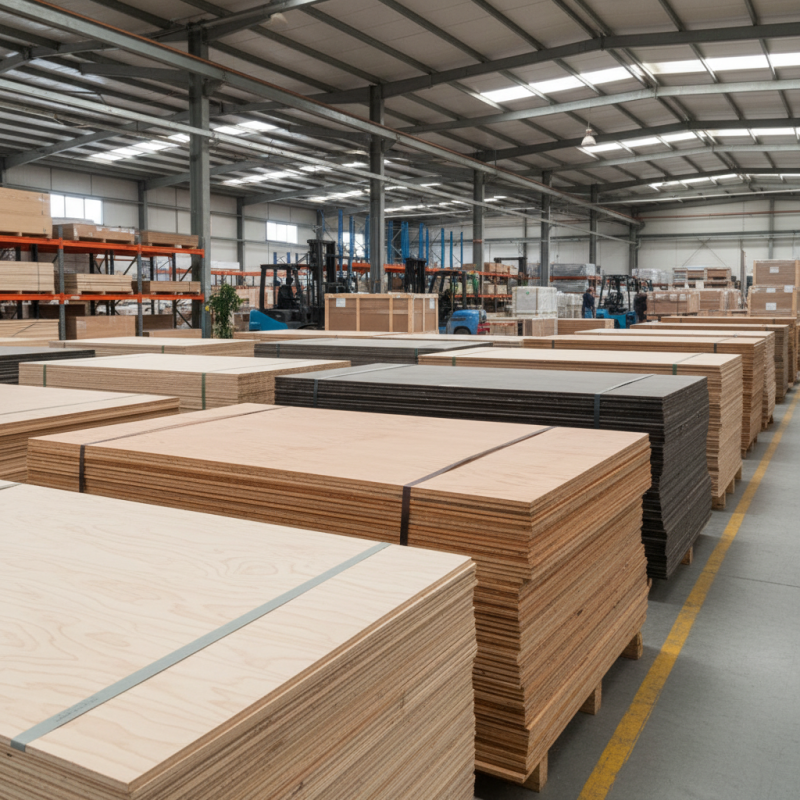
When exploring finished plywood options, it's essential to understand the types available globally. Each type has unique characteristics, suited for various applications. For example, hardwood plywood is known for its durability. It’s often used in furniture manufacturing and high-end interior applications. The aesthetic appeal of this plywood makes it a favorite among designers, though quality can vary.
Softwood plywood, on the other hand, is generally lighter and more cost-effective. It’s commonly used in construction and outdoor applications. The grain patterns can differ, impacting appearance, yet some options may lack the sturdiness of hardwood. It raises questions about suitability for specific projects and the trade-offs buyers must consider.
Specialized plywood types exist as well. Marine plywood, designed to withstand moisture, is ideal for boat building. However, not all buyers may have access to quality marine-grade products in their region. This inconsistency across global markets highlights the need for careful sourcing and quality assessment. In the end, the choice of finished plywood hinges on balancing cost, durability, and visual appeal.
Best Finished Plywood Options for Global Buyers
Key Factors to Consider When Selecting Finished Plywood
Selecting the right finished plywood can be challenging. Quality is a primary concern. Look for plywood that uses durable, water-resistant adhesives. This ensures longevity and stability. Many buyers overlook the thickness of the veneer. Thicker veneers often provide better surface quality and resistance to wear.
Consider the intended use of the plywood. Will it be exposed to moisture? If so, marine-grade plywood is essential. Each type has specific grades, affecting strength and finish. Pay attention to the grading system. Not all finished plywood is equal, and grading can impact performance.
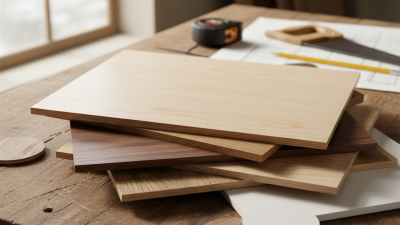
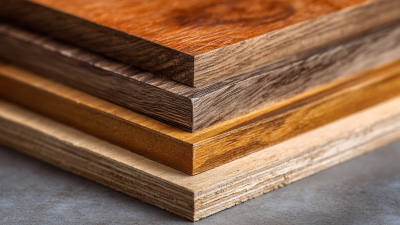
Aesthetic appeal is also important. The finish should match your design vision. Look for a consistent color and texture across all sheets. Some products may display flaws, so inspect samples closely. Being aware of defects is crucial for maintaining quality. This reflection can help prevent future disappointments.
Best Finished Plywood Options for Global Buyers
| Plywood Type |
Thickness (mm) |
Grade |
Finish Type |
Country of Origin |
Price per Sheet (USD) |
| Marine Plywood |
12 |
A |
Sanded Finish |
Indonesia |
50 |
| Baltic Birch Plywood |
18 |
BB/BB |
Natural Finish |
Russia |
70 |
| Hardwood Plywood |
15 |
A/B |
Veneer Finish |
United States |
60 |
| Luan Plywood |
9 |
C |
Smooth Finish |
Philippines |
30 |
| OSB Plywood |
11 |
Industrial |
Raw Finish |
Canada |
25 |
Top Regions for Sourcing Quality Finished Plywood
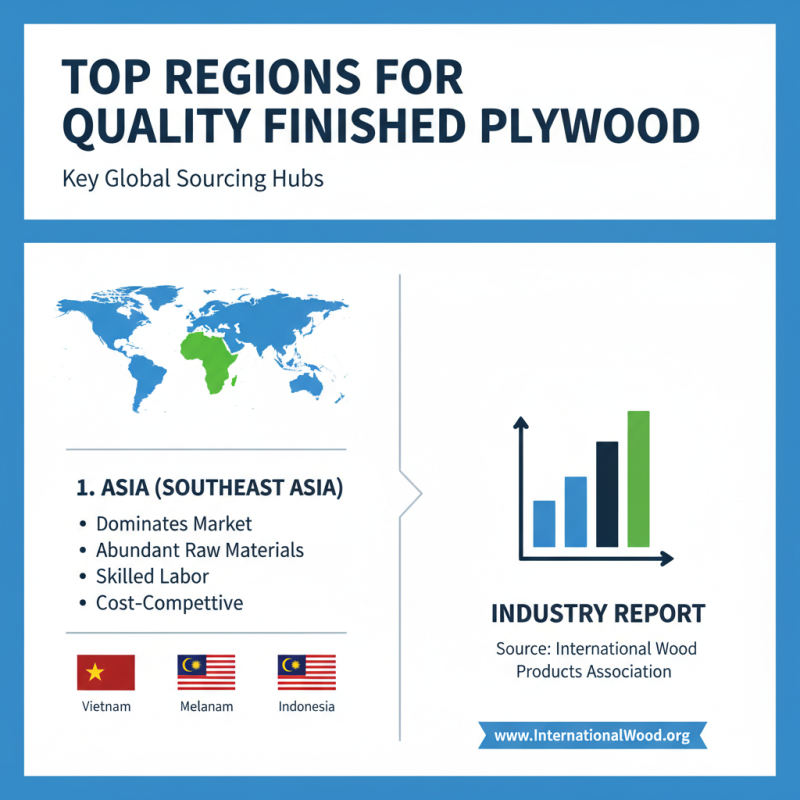
When sourcing quality finished plywood, several key regions stand out. According to a recent industry report by the International Wood Products Association, Asia, particularly Southeast Asia, dominates the plywood market. Countries like Vietnam, Malaysia, and Indonesia are known for manufacturing high-quality plywood. These regions benefit from abundant raw materials and skilled labor, helping to keep costs competitive.
North America and Europe also play critical roles. The U.S. has established regulations that push for sustainable practices in plywood production. The European market demands higher quality standards, focusing on durability and aesthetics. Reports indicate that North American imports of plywood have increased by 15% over the past year, demonstrating a robust demand for quality products.
Despite these advantages, challenges remain. The reliance on specific wood species exposes producers to risks from environmental changes. Furthermore, fluctuating shipping costs can affect pricing. Buyers must navigate these factors carefully to make informed sourcing decisions. By understanding regional strengths and challenges, global buyers can better position themselves in the finished plywood market.
Sustainability and Environmental Impact of Finished Plywood Options
Sustainability is a critical concern in today’s manufacturing landscape. Finished plywood can offer a viable solution due to its renewable nature. These products are made from trees, which can be sustainably harvested. Responsible sourcing of timber reduces the environmental impact, but not all plywood is created equal. It's essential to choose products that adhere to strict environmental standards.
The production process of finished plywood also matters. Many manufacturers are now focusing on eco-friendly adhesives and finishes. Traditional materials can emit harmful VOCs. Switching to low-emission options can improve indoor air quality. Buyers should always look for certifications that indicate a product’s commitment to sustainability.
However, there are challenges. Some eco-friendly options may have a higher upfront cost. This can deter buyers who are more price-sensitive. Education is crucial here; understanding the long-term benefits can help consumers make better choices. Not all businesses prioritize sustainability. This creates room for reflection on the industry’s current trajectory.
Do we prioritize immediate savings over the planet's health?
Comparative Analysis of Costs for Different Finished Plywood Solutions
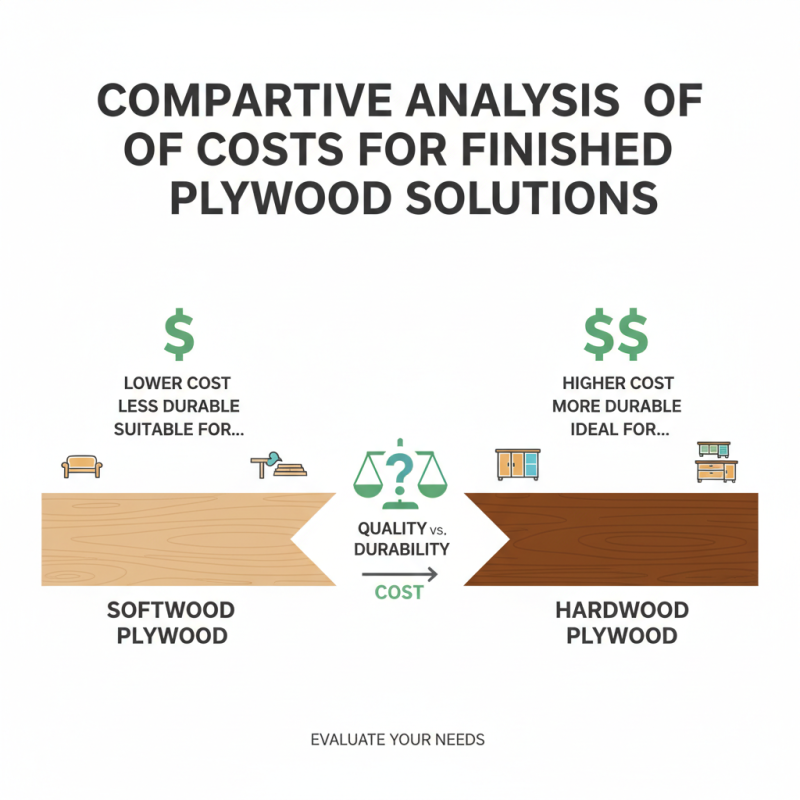
When considering finished plywood, cost varies significantly across different options. Buyers must evaluate both quality and durability. Softwood plywood tends to be less expensive, but it may not hold up as well over time. In contrast, hardwood plywood often provides greater strength. This extra strength may justify the higher price tag.
Another factor that influences cost is the type of finish. Veneer finishes, for example, can enhance aesthetics but also increase the price. Observing the finish type is essential. Buyers should consider where the plywood will be used. For high-moisture areas, investing in marine-grade plywood could be wise. However, it is essential to weigh this decision against your budget.
Many buyers overlook transportation costs. Shipping can add significantly to final expenses. Understanding local supply issues is crucial before placing an order. Additionally, local regulations may also affect pricing and availability. Reflecting on the balance between cost and quality is key. The best choice often extends beyond just the upfront price.