Best Aluminum Door Lock Options for Enhanced Security and Durability?
When it comes to securing your property, the choice of hardware matters significantly. Aluminum Door Locks have gained popularity due to their durability and resistance to corrosion. They are ideal for various settings, from homes to commercial spaces, thanks to their lightweight nature and robust security features.
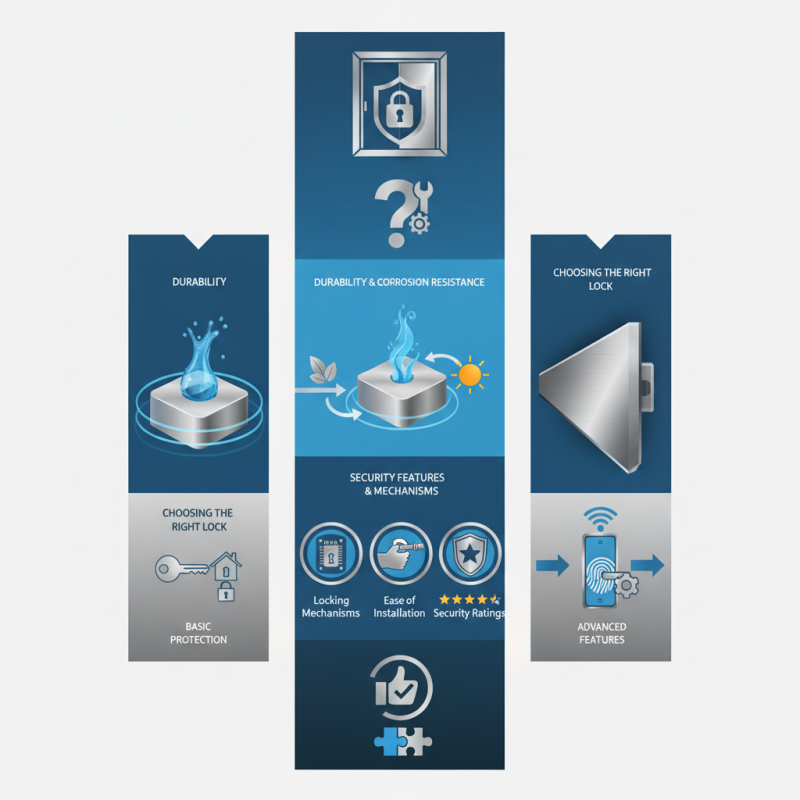
Selecting the right aluminum door lock can enhance security and provide peace of mind. However, not all locks are created equal. It's crucial to consider factors such as locking mechanisms, ease of installation, and specific security ratings. Some users might overlook these aspects, leading to poor choices that compromise safety.
Investing in a reliable aluminum door lock can have long-lasting benefits. Still, it's essential to reflect on your unique security needs. Are you looking for basic protection or advanced features? Understanding what fits your requirements can save you future headaches. Ultimately, the right lock can significantly contribute to a sense of safety and durability.
Best Practices for Choosing Aluminum Door Locks Based on Security Ratings
When selecting aluminum door locks, security ratings are paramount. Look for locks with a certification from recognized organizations. These ratings indicate the lock's resistance to forced entry and durability over time. An ANSI grade 1 rating is ideal for maximum security.
Consider the type of locking mechanism as well. Deadbolts offer superior protection compared to simple latch locks. A double-cylinder deadbolt adds an extra layer of security, especially in homes with glass panels nearby. While ease of use is essential, never compromise on safety.
Visual inspection matters too. Check for robust materials and a secure fit within the door frame. Locks should operate smoothly but resist tampering. Loose components might indicate a need for replacement. Investing time in understanding these details can enhance your home’s security, leading to a safer living environment.
Analysis of Aluminum Door Lock Materials and Their Impact on Durability
When considering the security of aluminum door locks, the material used is vital for durability. Aluminum, known for its lightweight nature, also boasts impressive strength. According to a recent report by the American Architectural Manufacturers Association, aluminum components can withstand harsh environmental conditions without significant degradation. This resistance contributes to their lifespan, making them preferable for various applications.
However, not all aluminum is created equal. The thickness and type of alloy directly influence a lock's resistance to wear and tear. An industry survey showed that locks made from high-grade aluminum alloys outperformed standard offerings in stress tests. This highlights the importance of selecting high-quality materials for enhanced security.
Tips: Always check the specifications of aluminum door locks. Look for designs that include hardened steel inserts for optimal strength. Regularly inspect locks for signs of corrosion. Clean and lubricate them to maintain functionality. Investing in reliable locks pays off in the long run, as neglected locks can compromise security.
Understanding Key Types: Comparing Traditional and Smart Lock Options
When it comes to door locks, understanding key types is crucial for both security and convenience. Traditional locks, often known for their reliability, typically use a metal key that fits into a cylindrical mechanism. These locks are straightforward to install and maintain. However, they may lack certain features, such as remote access or alerts. Their simplicity is a double-edged sword; while many understand how to use them, their very familiarity can make them less secure against skilled intruders.
On the other hand, smart locks offer advanced technology for enhanced security. These locks can be controlled via smartphones, allowing users to lock and unlock doors from a distance. Many smart options provide access logs, notifying owners about who entered and when. This information can be invaluable. However, smart locks can also be vulnerable to hacking if not properly secured. Therefore, relying solely on technology might pose its own risks. Users should be aware of potential limitations in battery life and connectivity issues. Balancing traditional methods with new technology can create a well-rounded security strategy.
Industry Standards for Aluminum Door Locks: What You Need to Know
When selecting aluminum door locks, understanding industry standards is crucial for optimal security and durability. The American National Standards Institute (ANSI) provides guidelines for lock performance. For instance, ANSI/BHMA Grade 1 locks are designed for heavy-duty use, enduring over 800,000 cycles. In contrast, Grade 3 locks may only withstand 250,000 cycles. This distinction highlights the importance of choosing the right grade based on your security needs.
Moreover, the material used in door locks greatly influences their longevity. Aluminum itself is lightweight but can corrode over time. Locks made with anodized aluminum have a protective layer that resists wear and tarnishing. Industry reports indicate that locks with this treatment can last up to five times longer than unprotected counterparts. However, users often overlook the maintenance required to uphold the lock's efficiency. Regular lubrication and inspection are vital in ensuring their performance and security.
Adhering to these standards can significantly affect security outcomes. Yet, not all installations will meet the ideal conditions outlined in these guidelines. Factors such as door alignment and environmental exposure can drastically alter lock effectiveness. Therefore, conducting thorough assessments before installation is advisable to ensure compliance with industry standards.
Best Aluminum Door Lock Options for Enhanced Security and Durability
| Lock Type | Material | Security Rating | Durability (Years) | Weather Resistance |
| Deadbolt | Aluminum Alloy | Grade 1 | 10 | Highly Resistant |
| Lever Lock | Stainless Steel | Grade 2 | 7 | Moderately Resistant |
| Smart Lock | Zinc Alloy | Grade 3 | 5 | Low Resistance |
| Electronic Lock | Aluminum | Grade 1 | 8 | Moderately Resistant |
| Padlock | Aluminum | Standard | 3 | Low Resistance |
Cost-Effectiveness of Aluminum Door Locks in Long-Term Security Solutions
Aluminum door locks are gaining popularity for good reason. Their lightweight design and resistance to corrosion make them ideal for various environments. When considering long-term security, these locks can be a cost-effective solution.
Investing in aluminum door locks may seem pricey initially. However, their durability can save money over time. Unlike wooden or cheaper metal locks, aluminum does not warp or rust. This longevity means fewer replacements, ultimately lowering expenses. Maintaining these locks often requires minimal effort, adding to their appeal.
While they are robust, no security system is foolproof. Some users report needing to adjust locking mechanisms periodically. This can be frustrating but is manageable with regular maintenance. Evaluating personal security needs is vital before choosing a lock type. Aluminum locks suit many, but not all situations might benefit equally.