Baltic Birch Best Quality for Global Buyers?
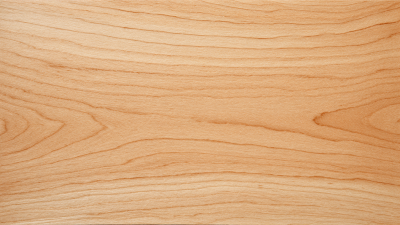
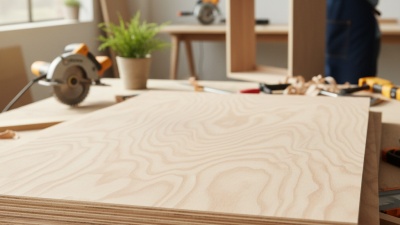
Baltic birch has gained a reputation as a top choice for many global buyers. This high-quality plywood, known for its durability, is used in various applications. From furniture making to cabinetry, its versatility is impressive. The unique grain pattern and smooth surface add aesthetic value.
However, selecting the best Baltic birch requires careful consideration. Not all manufacturers adhere to the same standards. Buyers must investigate sources and verify quality. Some suppliers may offer products with mixed qualities. This inconsistency can lead to unsatisfactory results.
Quality assurance is crucial when purchasing Baltic birch. It's essential to seek recommendations and reviews from experienced users. Building relationships with reputable suppliers can lead to better outcomes. Ultimately, making informed decisions will enhance the satisfaction of global buyers.
What is Baltic Birch and Its Unique Characteristics?
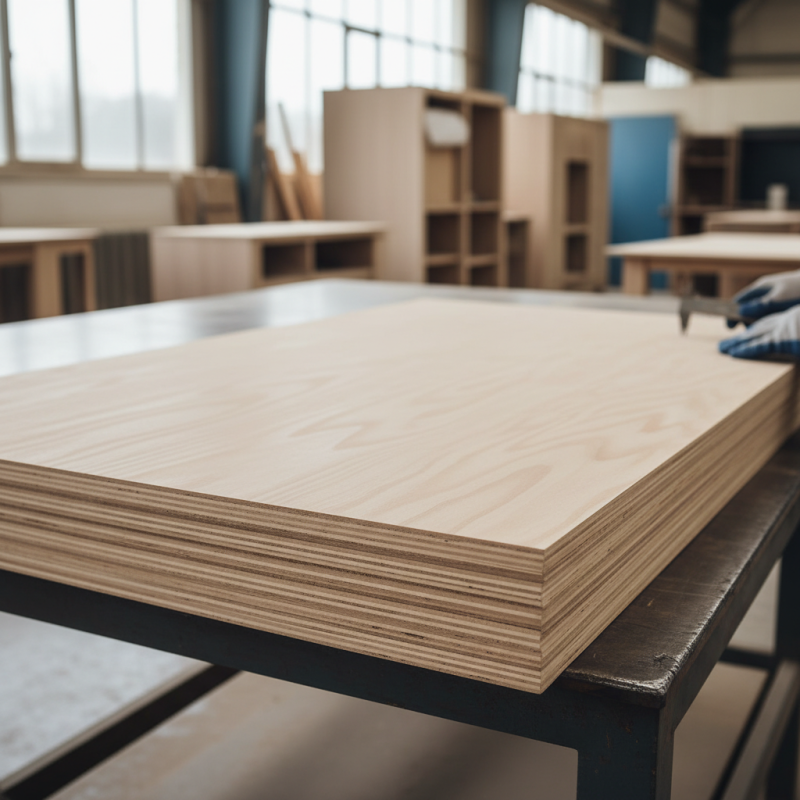
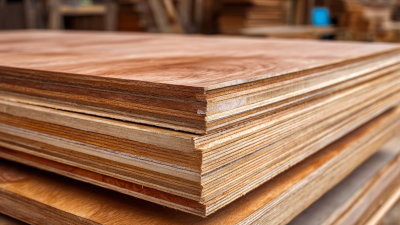
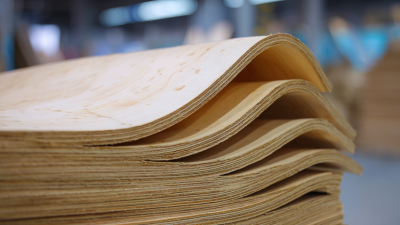
Baltic Birch is a plywood made from the Betula pendula tree, found mainly in the Baltic region. It boasts unique characteristics that set it apart from other types of plywood. Known for its exceptional strength and durability, it has a fine grain and a consistent appearance. The multiple layers of thin veneers contribute to its structural integrity. This makes Baltic Birch an ideal choice for various applications, from furniture to cabinetry.
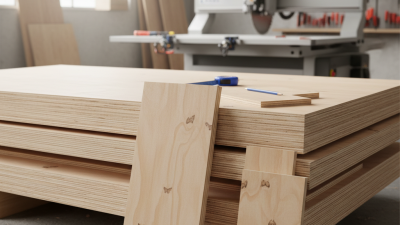
When selecting Baltic Birch, consider the overall thickness and the number of plies. More plies generally indicate better stability and strength. Pay attention to the finish as well. A smooth surface enables easier painting or staining and enhances the final look of your project.
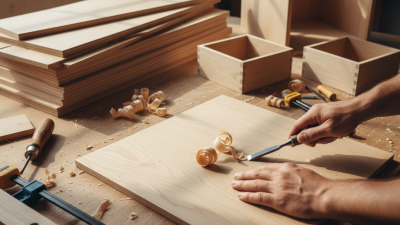
Tips for working with Baltic Birch: ensure you use sharp tools to prevent splintering. An adequate sealant will protect the surfaces, especially in humid environments. Storing your plywood in a climate-controlled area can prevent warping. Recognizing that not all sheets will be perfect is essential. Minor defects can occur but don't necessarily affect performance. Embrace the uniqueness of each piece for a distinct touch in your creations.
The Global Demand for Baltic Birch: An Overview
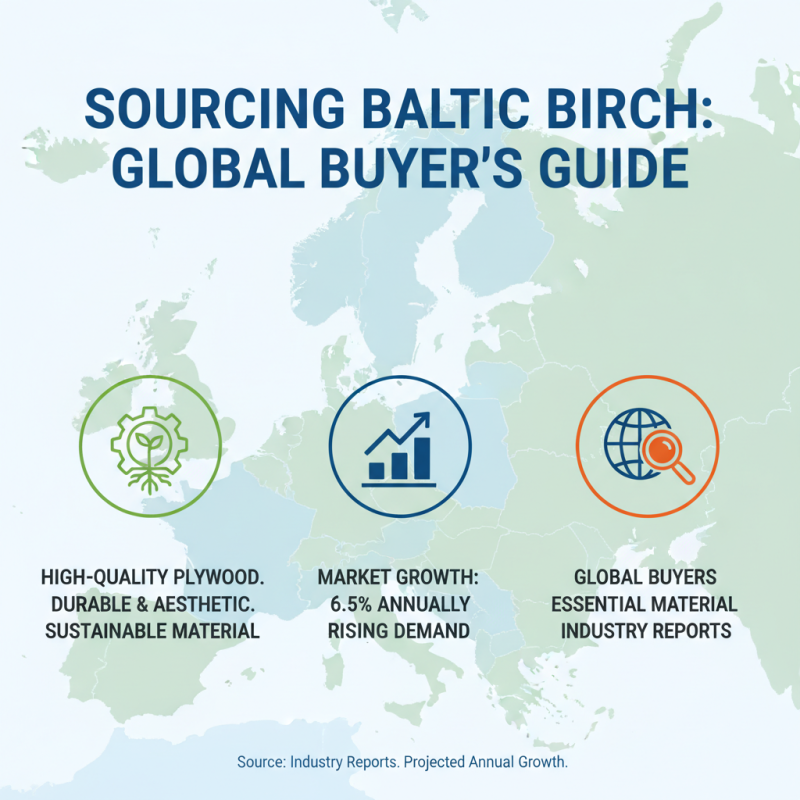
The global demand for Baltic Birch has surged dramatically in recent years. According to a 2022 market analysis, the Baltic Birch market is expected to grow at a compounded annual growth rate (CAGR) of over 6% from 2022 to 2030. This increase reflects the wood's versatility and favorable characteristics. The plywood is lauded for its stability, strength, and resistance to warping, making it ideal for various applications, from furniture to cabinetry.
One area of concern is sustainability. The harvesting practices for Baltic Birch can vary, raising questions about long-term environmental impacts. Reports indicate that while many suppliers adhere to sustainable forestry practices, some do not. This inconsistency can lead to ethical dilemmas for buyers focused on responsible sourcing.
Additionally, while the Baltic Birch holds an esteemed reputation, there are ongoing discussions about quality disparities. Not all Baltic Birch is created equal; variations in thickness, grain, and voids can be problematic. Buyers often navigate these complexities, which can affect project outcomes. Quality assurance in sourcing remains a critical factor for global buyers seeking the best materials.
Baltic Birch Best Quality for Global Buyers? - The Global Demand for Baltic Birch: An Overview
| Country |
Annual Demand (Cubic Meters) |
Import Growth Rate (%) |
Average Price (USD per Cubic Meter) |
| United States |
350,000 |
8.5 |
600 |
| Germany |
200,000 |
6.0 |
650 |
| Canada |
150,000 |
10.2 |
580 |
| United Kingdom |
100,000 |
5.5 |
620 |
| Australia |
80,000 |
4.0 |
680 |
Quality Standards of Baltic Birch for International Buyers
When considering Baltic Birch, it’s essential to understand the quality standards that define its reputation. This type of plywood is recognized for its strength and durability. Buyers often seek sheets that exhibit uniform thickness and consistent grain patterns. Properly graded Baltic Birch typically has fewer knots and voids, which enhances its suitability for various applications.
However, not all Baltic Birch meets the same quality benchmarks. Variability can occur in sourcing and processing. Some suppliers may not adhere to strict grading rules, leading to inconsistencies in their products. This inconsistency can be frustrating for buyers who expect high-quality standards. It’s important to establish clear communication with suppliers about specific requirements.
International buyers must also consider the sourcing practices. Sustainable harvesting is crucial for maintaining quality in the long run. Some suppliers might claim eco-friendliness without adequate certification. This can lead to misinformed decisions. Thus, buyers should conduct thorough research and foster relationships based on trust and transparency, ensuring their choices align with ethical and quality standards.
Baltic Birch Quality Ratings by International Standards
Comparative Analysis: Baltic Birch vs. Alternative Plywood Types
When comparing Baltic Birch to alternative plywood types, several factors emerge.
Baltic Birch is renowned for its strength and durability.
It often features multiple layers, providing a reliable and stable structure, especially for furniture and cabinetry.
Data shows that Baltic Birch has a higher density than many other plywood types,
leading to superior performance in demanding applications.
However, it's essential to recognize that alternative options exist. Some manufacturers offer plywood made from softer woods,
which may be lighter and more cost-effective. Reports indicate that these alternatives can work well for projects
where high durability is not critical. When choosing plywood, consider the specific requirements of your project.
Tips:
Look for certifications that guarantee the quality of the plywood. Not all plywood is created equal.
Assess where and how you'll use it, ensuring it meets the demand.
Think about sustainability. While Baltic Birch is durable, sourcing practices vary.
Always inquire about the origin of the wood. It reflects the product's environmental impact.
Balancing quality and conscience isn't always straightforward.